

Switching from East London studios to South London creative spaces

The cheaper studio isn’t always the better-value choice. Switching from East London studios to South London creative spaces can make sense when the location, layout and hire period suit your production. For a short booking, compare the total cost with the space you’ll actually use, not just the headline rate.
East London’s established creative scene is an understandable starting point. But changing postcode can open up a different mix of spaces and neighbourhoods without losing sight of practical needs such as access, transport and your shoot requirements.
This guide shows how to compare short-term hire costs and layouts, and how to find a space that suits your production. We’ll also consider what Brixton and Peckham offer, so you can assess the move with your next shoot in mind.
Table of Contents
Short-term rental prices and space sizes
If you’re moving from Hackney or elsewhere in East London, compare each booking’s cost with the space and time your production needs. A monthly workspace rental is a different commitment from a short production hire. Check the rate for the specific location and booking period, then weigh it against the room’s practical value. Don’t use a monthly figure to estimate the cost of a single shoot.
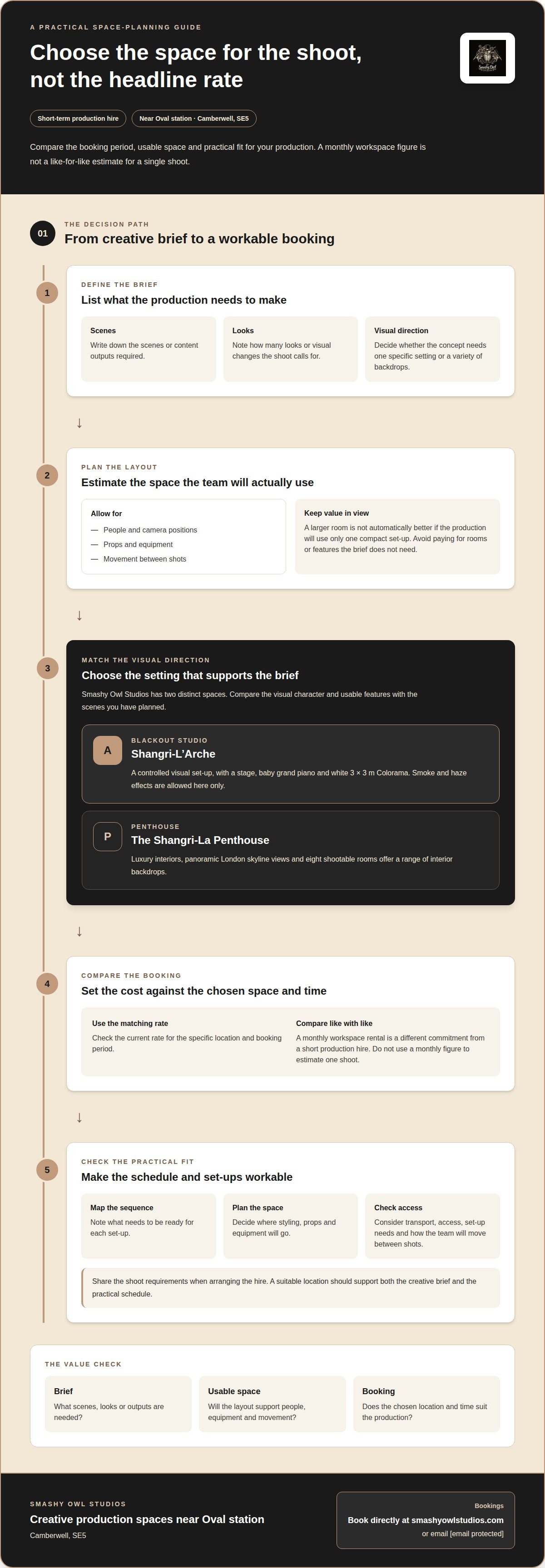
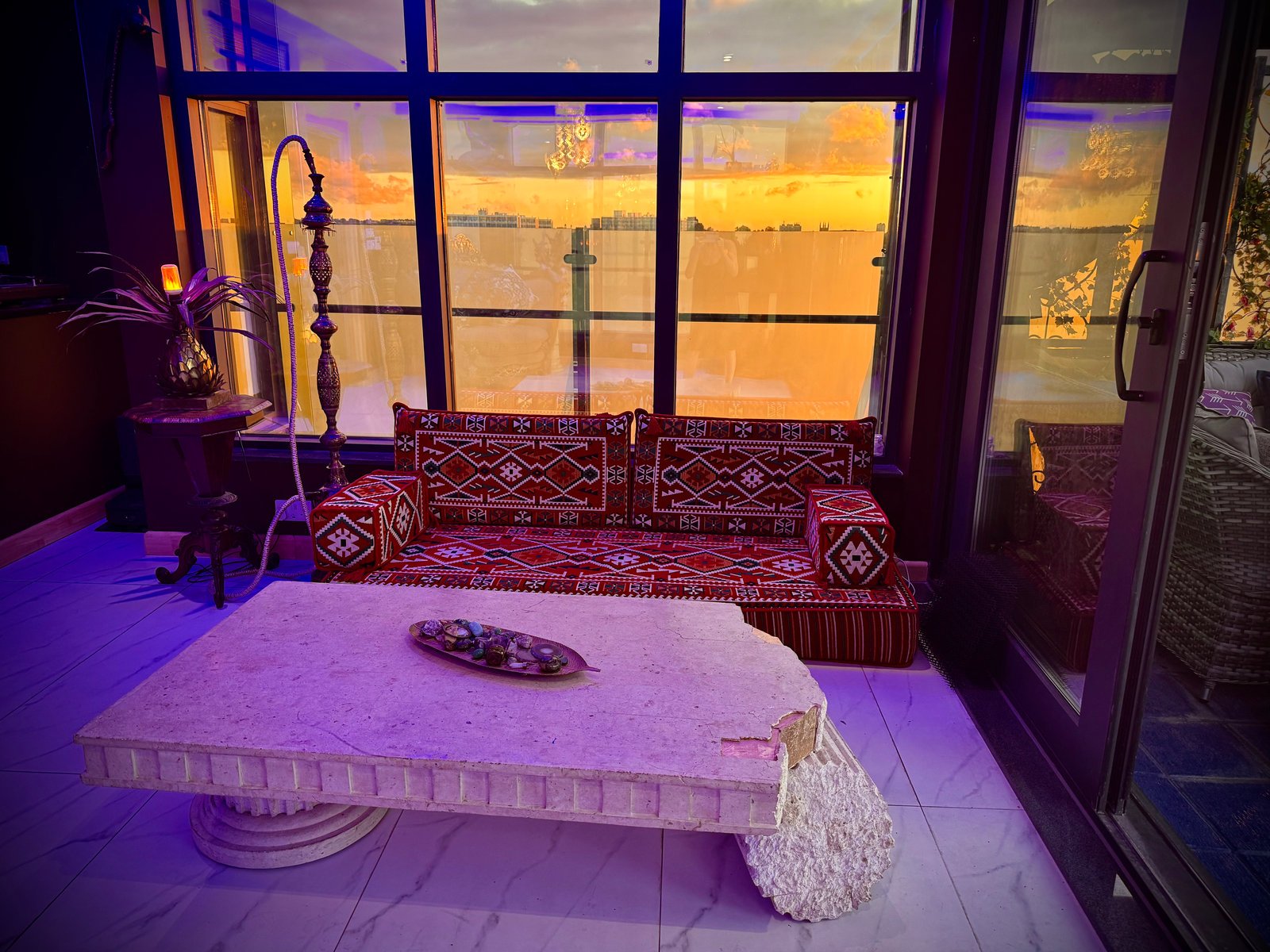
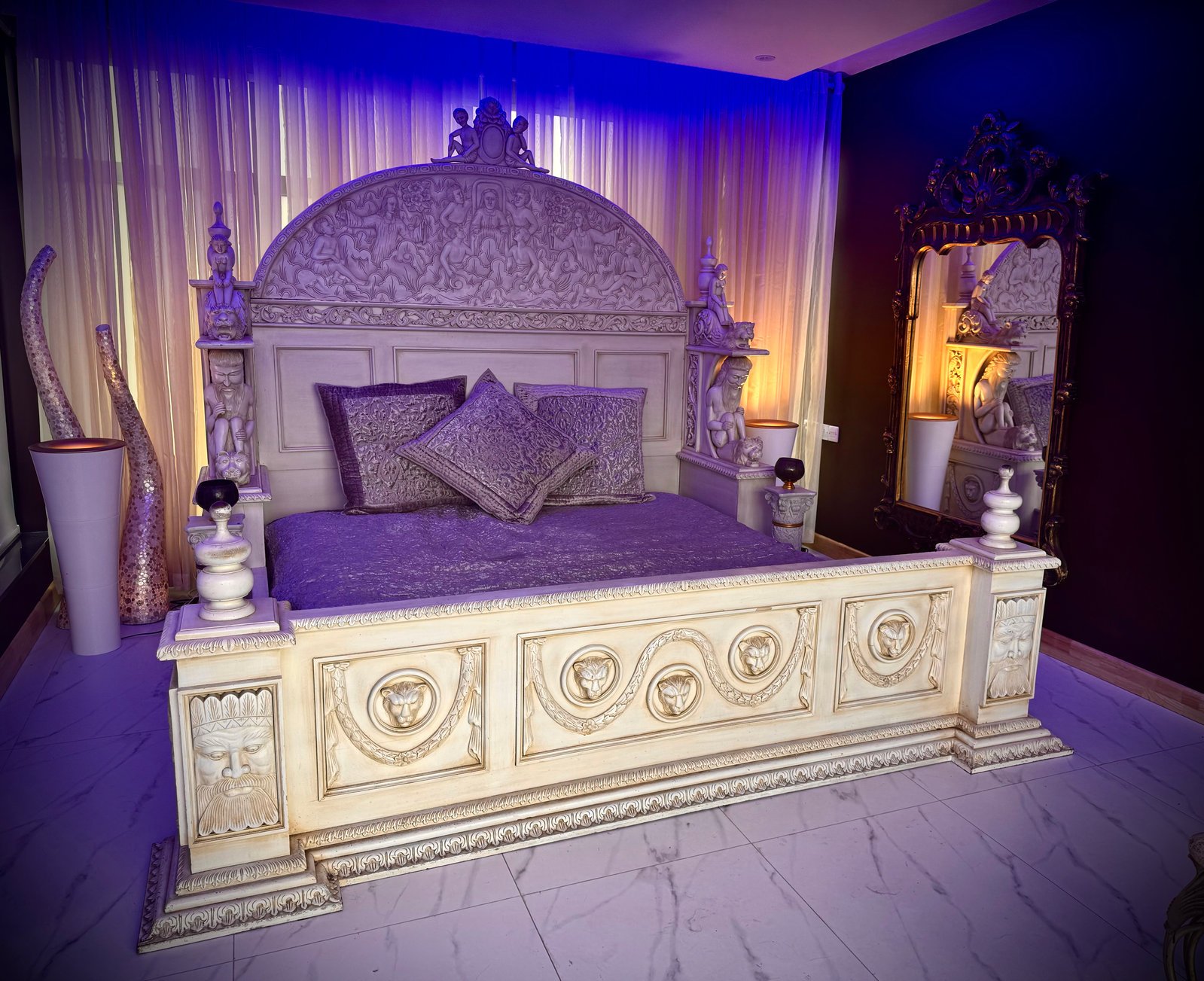
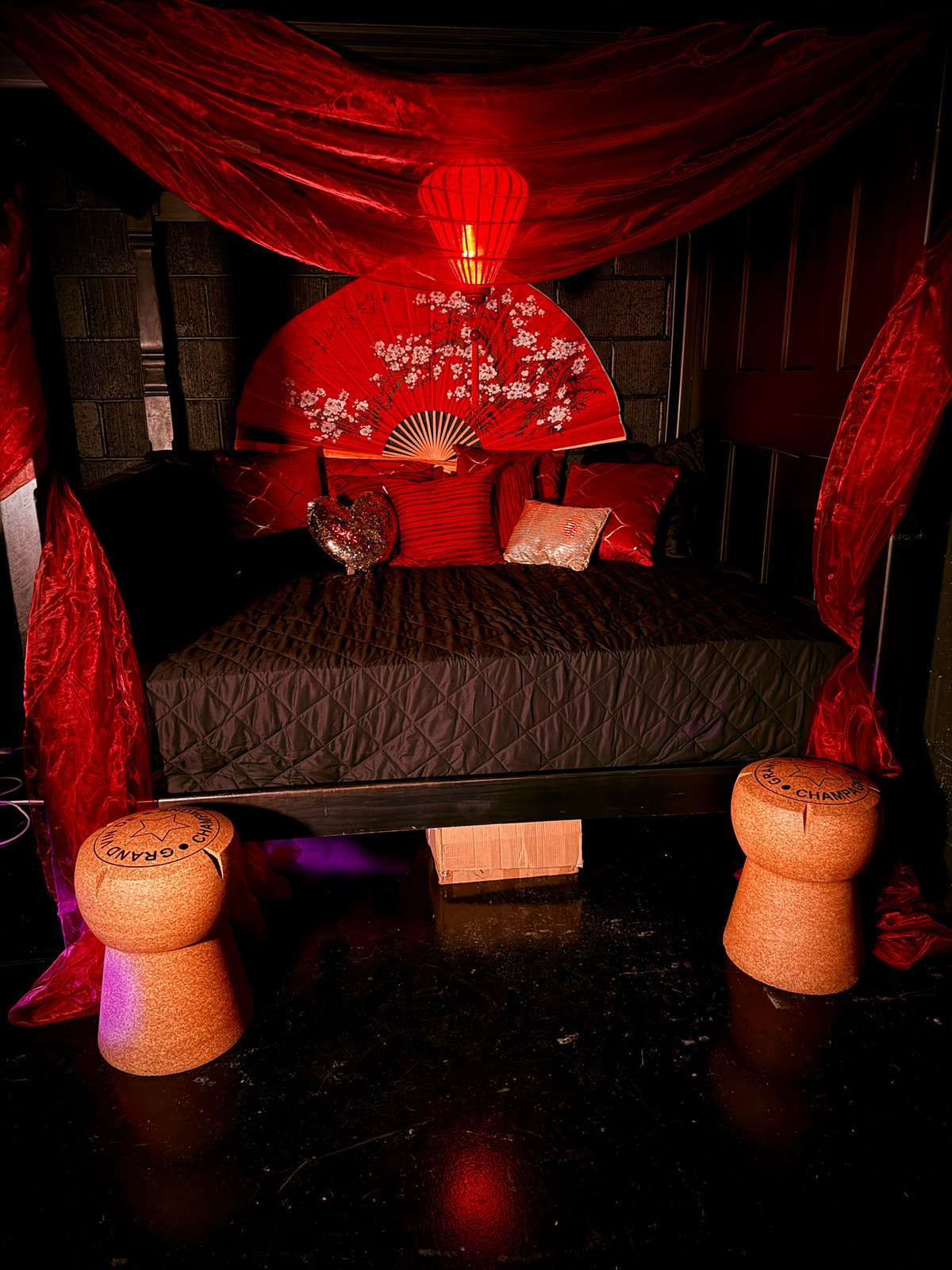
Smashy Owl Studios has two distinct spaces, each suited to a different visual direction. The Shangri-La Penthouse offers luxury interiors, panoramic London skyline views and eight shootable rooms, with a rooftop hot tub. The Shangri-L’Arche Blackout Studio includes a stage, baby grand piano, RGB lighting, neon runway, mirror, throne, pole, aerial hoop, white 3x3m Colorama, speaker wall and UV graffiti. Smoke and haze effects are allowed only in the Arch.
For a fashion campaign, consider whether the room lets the team change looks efficiently. The Penthouse’s varied rooms offer different interior backdrops; the Arch’s distinctive features can shape a more controlled visual setup. Estimate the space needed for people, camera positions and movement. A larger room isn’t automatically better if you’ll use only one compact set-up.
Define the brief: list the scenes, looks or content outputs the shoot needs.
Plan the layout: allow room for people, camera positions, props and movement.
Compare the booking: use the current rate for the chosen location and time.
Check the practical fit: consider access, set-up needs and how the space supports the schedule.
Assess value across the whole campaign, not just the first frame. A location that gives the team a useful variety of visuals may help streamline the day’s plan. A highly specific concept, on the other hand, may need just one setting. Choose a space for the results you want, rather than paying for features or rooms you won’t use.
Before booking, map the shoot sequence and note what needs to be ready for each set-up. Plan where styling, props and equipment will go, and how the team will move between shots. Share these requirements when arranging the hire to assess usable space and plan the schedule realistically.
Finally, check that your shortlisted space suits the team’s transport and access needs. The right location supports both the creative brief and the practical schedule. Choose a setting that gives your team the environment they need to deliver the campaign, with a clear understanding of the hire cost.
Affordable creative studios in East and South London
Affordability depends on whether you need a regular base or a room for a specific production. Treat a monthly workspace figure as a rental cost, not a quote for a shoot or short-term hire. Compare rental periods on equal terms, then weigh the usable space against how often your team will use it.
Set a budget for the whole arrangement, not rent alone. List the facilities essential to your work, such as reliable internet, secure access and room for your planned layout. Separate must-haves from preferences. A lively location may suit a creative business, but it adds little value if the space cannot support your regular work or production needs.
Ask for a clear breakdown of the proposed rental costs. Record rent, service charges, utilities and other recurring costs separately. Check what each charge covers and when it is payable. If shared facilities are included, consider whether your team can use them when needed. A simple comparison sheet can reveal costs that a headline monthly rent leaves out.
What lease terms, deposits and business rates apply to South London studio spaces? Lease length, deposit terms and responsibility for business rates depend on the premises and rental agreement. Read the proposed terms carefully, including renewal, notice and charges, before deciding whether the commitment suits your plans.
What planning, licensing and noise rules apply to creative studios in South London? Requirements depend on the premises and how you intend to use them. Describe your activities, operating pattern and sound requirements clearly, then confirm which uses the space permits before signing an agreement.
How much does it cost to move studio equipment from East to South London? Moving costs depend on the equipment’s volume and weight, access at both locations, and transport and handling needs. Make an inventory and flag delicate or bulky items first, then use those details to plan the move and compare transport options.
How can I find and view available creative spaces in South London? Search by area, intended use and rental period, then contact the space operator to arrange a viewing. Bring a list of requirements and assess the layout, access, facilities, security and internet connection in person.
Compare the full monthly commitment, not rent in isolation.
Separate essential facilities from preferences before viewing.
Match lease terms to how regularly you’ll use the workspace.
Plan equipment transport around access and handling requirements.
For an exhibition, workshop or production base, write down how you’ll use the space before shortlisting options. This helps you assess whether the terms, layout and facilities suit the work, rather than choosing by postcode or advertised rent alone.
Brixton and Peckham creative spaces
Brixton and Peckham offer a different kind of search from East London’s warehouse-led reputation. Both South London neighbourhoods have independent commercial areas and smaller units that may suit creative work. They’re worth considering if you’re looking for a workspace, workshop or location for a focused project. Rather than assuming either area is cheaper, compare the intended use, rental terms and access.
Start with the production. A small fashion team might need a compact room for fittings and content capture, while an artist may need a workshop for making or displaying work. An industrial look might suit one brief but distract from another. Consider how each space relates to your collaborators, clients and suppliers. The right neighbourhood supports the work, rather than simply sounding central.
Which South London areas have the best transport links for creative professionals? Brixton and Peckham are useful areas to compare, but the best choice depends on where your team and materials are travelling from. Check the actual route to the space: London has 11 Underground lines and over 270 stations, the Overground has over 80 stations, and tram services serve Croydon and surrounding areas.
For a practical comparison, map the journeys your production depends on. Note where the photographer, models, client and key collaborators are travelling from, then compare door-to-door routes to each space. A location that works for most of the team can make travel easier. If equipment or materials need moving, consider vehicle access and the distance from the drop-off point to the workspace.
For a workshop: assess the room’s layout, working conditions and permitted activities.
For a campaign: consider whether the space’s existing character fits the visual direction.
For a team shoot: compare travel routes and arrival arrangements for everyone involved.
For ongoing use: weigh the rental terms against how often the space will be used.
Before committing, view the facilities and picture a typical working day. Walk through how people will arrive, where materials will go and how the team will move between tasks. Ask the space operator about access and restrictions that affect your planned use. A viewing checklist helps you compare Brixton and Peckham on practical details, not just listing photos or impressions of the neighbourhood.
Assess these areas one space at a time. Note each option’s exact location, intended use, access and travel routes. Then compare how well it supports your format, whether that’s an independent workshop, a small creative base or a production location. This makes your South London shortlist more useful than choosing by area name alone.
What creative studios and workspaces are available in South London?
South London searches can turn up several types of space. A long-term workspace supports regular work, while short-term hire suits a defined production or project. A photography or filming location is chosen for its visual character and practical layout. A workshop needs to support the activity taking place inside it. Define the purpose first, then compare spaces suited to that use.
For a shoot, assess how the room will work across the full schedule. A fashion team might need space for styling, camera positions and changing looks. A filmmaker may prioritise control over the scene and a layout that accommodates the crew. For an interview or podcast, consider the group size, seating and sound conditions. Match the space to your actual setup rather than choosing by category alone.
Workspace and production hire also differ in how you use the facilities. A regular base may need to support repeat visits and everyday routines. A campaign location may only need to serve one planned setup. Before booking, ask what the hire permits, which facilities are available, and whether equipment or changes to the space are restricted. Compare the answers with your shot list or working plan.
Photography: assess the backdrop, available working area and how the team will move through the shoot.
Filming: plan camera positions, crew movement and any scene-specific requirements.
Workshop use: match the space to the materials, process and access needs.
Interviews or podcasts: consider seating, room arrangement and the number of participants.
South London has spaces for creative work, production and practical making. A private studio may suit a focused session, while a larger workspace can accommodate a more involved plan. The useful distinction isn’t simply “studio” versus “workspace”. It’s whether the permitted use, layout and facilities suit the project and the way your team works.
Use a short viewing checklist. Walk through the arrival route, room layout and movements your setup requires. Consider where cases, props or materials will go, and identify restrictions on equipment or changes to the space. A product shoot with several set-ups, for example, needs a workable sequence, while a small interview may depend more on a clear, quiet arrangement.
Then compare shortlisted spaces against the same brief. Record the intended use, hire period, access needs and essential facilities for each option. This makes differences easier to assess and helps you avoid paying for a workspace that doesn’t suit a one-off production, or choosing a location that can’t support regular work.
Smashy Owl Studios: Film location hire london
For crews considering a move to South London, comparing location, facilities and booking terms can help identify a suitable production space. The Shangri-L’Arche Blackout Studio is a fully blackout, drive-in space, approximately 7.5 x 14.5 x 4.5m, suited to controlled filming and content shoots. The Shangri-La Penthouse offers a contrasting interior setting, and you can split a shoot across both locations, which are 0.5 miles apart.
Hire is available by the hour, with a 3-hour minimum rather than a full-day minimum. Bring your own photographers, filmmakers and crew. After a booking is confirmed, Bella can recommend independent creatives who you can book directly. See current rates on the website.
Explore film location hire, music video location hire, content creation or photoshoot location hire, then get in touch at smashyowlstudios.com or email bookings@smashyowlstudios.com.
Choose a South London base that fits your next production
If you’re switching from East London studios to South London creative spaces, let the project brief guide your decision. Start with the look you want, the people involved and how the space needs to work during the session. This gives you a practical way to assess whether a location suits your production, rather than choosing by postcode alone.
Smashy Owl Studios offers photo studio hire, film locations and music video locations for teams bringing their own creatives. Choose a setting that suits the work, whether you’re planning stills, a filmed sequence or several content outputs. A clear brief makes it easier to decide which location will serve your next idea.
Include your intended use and project requirements in your enquiry. The right setting can give your team a fresh backdrop and a focused place to create.
Start your next South London production with a space that suits the work.
Frequently Asked Questions
How do East and South London creative spaces compare for price, size and facilities?
Compare spaces by matching the hire type to your working requirements, rather than treating every listing as equivalent. A recurring workspace and a one-off shoot location serve different needs, even if their floor areas look similar. For each option, record the hire period, usable layout and included facilities. Note whether your production needs room for a team briefing, changing looks or arranging products, then compare spaces against that setup.
What should I check before leaving an East London studio for a South London workspace?
Before switching from East London studios to South London creative spaces, plan the handover as well as the move. List the equipment, props and materials to relocate, and identify anything that must remain accessible during the transition. Map the new journey for regular collaborators, then schedule a trial visit with a typical working setup. This can reveal practical issues, such as carrying cases into the space or arranging the room, before you move everything.
Check availability →
What planning, licensing and noise rules apply to creative studios in South London?
Requirements depend on the premises and intended use. Describe your activities, operating pattern and sound requirements, then confirm which uses the space permits before signing.
Comments