

Studio Hire vs Filming in a London Flat: Pros & Cons

Updated: Nov 7
A London flat isn’t automatically the riskier choice, but filming there brings personal belongings and finishes close to the action. Choosing between renting creative studio space and filming in a London flat comes down to the look you need, the production’s footprint and how well access, permissions and property protection are managed. Neither setting guarantees a damage-free shoot; clear agreements and careful planning help reduce risks.
A residential location can provide character and a lived-in feel that’s hard to recreate, while a studio offers a more controlled environment. Weigh the visual benefits against practical concerns such as moving equipment, protecting surfaces and working around other people’s space.
This guide compares both options for suitability, permissions, recce planning, property risks and hire costs. Use it to identify what to consider before booking, so your location supports the shoot without creating avoidable complications.
Table of Contents
1. What makes the best studio space for hire in London?
Start with your shot list, not a generic idea of a “good” space. For a product close-up, prioritise controllable light and room for styling; for a moving performance, consider camera distance, movement paths and sound. Write down each setup before comparing a studio with a London flat. This makes the trade-offs clear.
For sound, lighting and backgrounds, studios can offer more control, while a London flat may bring natural light, domestic character and existing décor. A blackout room helps crews shape lighting consistently; changing daylight and household sounds in a flat can affect continuity. Choose according to whether the brief needs repeatable conditions or a particular lived-in look.
Studio facilities and included equipment vary. At Smashy Owl Studios, lighting equipment shown in The Arch’s studio photos is included in the hire unless otherwise stated. Check what’s provided at your chosen location, then list separately the cameras, sound kit and crew equipment your team will bring.
Power and access shape the working day as much as the frame. Map the route from vehicle to shooting area, noting steps, narrow doors and lifts, then compare it with the largest case or set piece. Plan parking and loading for your chosen location. Drive-in access can simplify moving bulky equipment, but confirm vehicle suitability before booking. Restricted access may call for lighter kit and fewer setup changes.
Natural light can give interviews, fashion and editorial work a soft, changing quality. Its direction shifts during the day, so note window orientation and plan key shots around the light you want. For controlled product images or repeatable scenes, blackout conditions help the crew manage contrast and continuity. Check practical details too: where power points are, how they relate to the set, and whether cables can be routed safely.
The production type determines the space you need. An e-commerce setup needs room for product styling, steaming and packing; a music video may need clear movement paths and space for playback. A small interview crew may value quiet and a simple background, while a larger commercial production needs room for people and equipment to circulate without crossing the shot.
Make insurance part of the booking plan. Read the location agreement for requirements, timings, crew numbers, damage terms and responsibility for the property. Confirm that the production’s cover addresses the actual activities, such as moving set pieces or filming around valuable furnishings. For a flat shoot, agree furniture moves and protection measures before arrival. At any location, assign one person to oversee care during wrap.
2. Practical and legal considerations for shoot locations
A location can look spacious in photographs yet feel cramped once the crew arrives. Sketch the floor plan and mark the camera position, subject, lighting stands, monitors and clear walking routes. For a fashion editorial, include room for a changing area and styling rail. In a flat, account for furniture that must stay in place and doorways that restrict equipment movement. Compare usable shooting space, not just the number of rooms.
Ceilings and access routes affect what the production can achieve. Check ceiling height, door width, stairs, lifts and shared corridors against the largest piece of kit or set element. A ground-floor entrance or direct vehicle access can simplify loading. In a London flat, narrow stairwells and shared entrances may limit equipment movement. At a studio, confirm vehicle loading arrangements and where cases can be staged. A practical comparison of renting creative studio space vs filming in a London flat starts with these access details.
Clarify permissions before agreeing a booking. For a tenanted property, establish the landlord’s or managing agent’s permission and inform tenants before accepting shoot bookings. Agree who provides access, whether the owner or resident will stay, which rooms are available and whether furniture can move. A written location agreement should record shoot timings, crew size, hire charge, cancellation terms, overtime and responsibility for damage.
Plan London logistics separately. Identify the route for crew and equipment, then account for loading restrictions, parking arrangements and travel time from the nearest station. A residential street may have limited stopping space, while a studio’s loading setup can shape arrival and unloading. Share arrival instructions with the production team and appoint one person to coordinate deliveries and access. This comparison also helps show whether renting creative studio space vs filming in a London flat better fits the crew’s movement and schedule.
Manage property risks with a specific plan. Photograph the rooms before setup, list fragile or high-value items and agree protective measures with the location host. Keep cables out of walkways, use designated areas for kit cases and assign a crew member to supervise furniture moves. At wrap, compare the rooms with the pre-shoot record and return moved items as agreed. For a flat, pay particular attention to personal possessions and finishes.
Choose the setting that fits the production’s footprint and visual brief. A characterful flat can work for an intimate interview or lived-in editorial, provided access and permission suit the plan. A studio can be more practical when the crew needs a dedicated working layout or controlled access. Include your shoot type and access needs when enquiring about a professional shoot location in London.
3. Pre-production visits and recce planning
A recce turns a promising location into a workable shoot plan. Bring the director, camera lead and production manager, then walk through each planned setup. Compare the camera angle with the actual layout, not just online photographs. In a residential flat, check whether personal furniture affects framing. In a studio, map where crew, kit and talent can move between takes.
Bring a shot list and mark the camera, subject and key-light positions. Test the intended lens height and distance, then note any obstacles outside the frame. A beautiful room can still create tight camera angles or awkward movement. Check daylight at the planned shooting time and note which windows affect the look. If the shoot relies on a specific background, photograph it from the camera position.
Record practical details from the visit in one document. Include room dimensions, ceiling heights, door widths, stairs or lifts, loading arrangements, parking, power points, internet access and noise. Note any limits affecting equipment or crew size. These details help the production manager plan arrivals and schedule setups, and make it easier to compare facilities with the actual brief rather than relying on broad descriptions.
In a flat, agree significant furniture moves and interior restyling with the host before shoot day. Record which items can move, where they’ll be stored and who will return them. Photograph the rooms as found, including delicate surfaces and personal possessions. Ask who manages access and whether residents or neighbours may be affected by sound, deliveries or crew movement. Add agreed arrangements to the production schedule.
Use the recce to test the shoot’s visual sequence. Photograph a reference frame for each setup and note the lens, camera position and background. Check whether reflective product packaging picks up windows or room details. For dialogue scenes, record a short sample from the planned microphone position and listen for traffic, appliances or room echo. These tests help the crew make decisions before filming begins.
Availability is only one factor when choosing a date. Compare the location’s access window with setup, filming, reset and pack-down times. Build a call sheet around actual travel and loading arrangements, not an ideal arrival time. If the shoot needs several looks, order them by room, light and furniture changes. This reduces unnecessary moves and helps the team protect the property throughout the day.
Finish the recce with a shared record: reference photographs, a marked-up floor plan, access notes, agreed changes and a list of outstanding production tasks. Send it to the relevant crew before filming. This gives the camera, art and production teams the same understanding of the space, planned layout and shoot boundaries.
4. Residential location hire costs
Residential shoot fees depend on the property’s size, style, London location and production scale. A smaller editorial shoot and a commercial campaign may be priced differently because they place different demands on the home and its availability. Treat the quoted hire fee as one part of the production budget, then compare it with the access, facilities and working time the location provides.
Deposit terms are separate from the hire charge. Read the location agreement for any deposit, payment schedule, cancellation terms, overtime charges and damage policy. The agreement should explain when payments are due and how any deposit is handled. Record these terms in the production budget before confirming the booking, rather than assuming they follow a standard arrangement.
Ask how utilities are handled during the shoot. Power use for lighting, monitors and other production kit can affect the arrangement, so establish whether usage is included or charged separately. Council tax is a property cost, but don’t assume it forms part of the shoot hire fee. Keep any utility charge distinct from the location rate when comparing written terms.
Other costs can add up around a flat booking. Allow for crew travel, equipment transport, loading time, parking, protection for furnishings and any agreed cleaning or reset. A residential location may need furniture moved before filming and restored afterwards. Include setup and pack-down hours if the production needs extra time. A lower headline rate may not be the most affordable option once logistics are counted.
For studio hire, compare the total booking cost with the facilities and space the production needs. Review the minimum hire period, what the rate includes and whether overtime or other charges apply. A short photography session and a larger production have different scheduling needs. A warehouse or industrial look may suit the brief, but paying for unused space or features won’t necessarily improve value.
To find and book affordable filming studio space in London, first set the shot list, crew footprint and required hours. Compare suitable locations by access, included facilities, hire minimum and additional charges. Read the full booking terms, then budget for transport, setup and wrap as well as the hire. This gives a clearer comparison than choosing by the headline rate alone.
Use a simple budget with separate lines for location hire, deposit, utilities, transport, parking, setup and overtime. Mark each item as included, separately charged or not required. This helps producers compare a residential location with a studio on equal terms, whether the brief calls for a beautifully furnished flat or a controlled industrial backdrop.
Hire fees vary with the flat’s size, style, London location and production scale. Deposits are separate from the hire charge, and the agreement should set out the deposit terms and payment schedule. Don’t assume there is a standard arrangement.
Smashy Owl Studios: Film location hire london
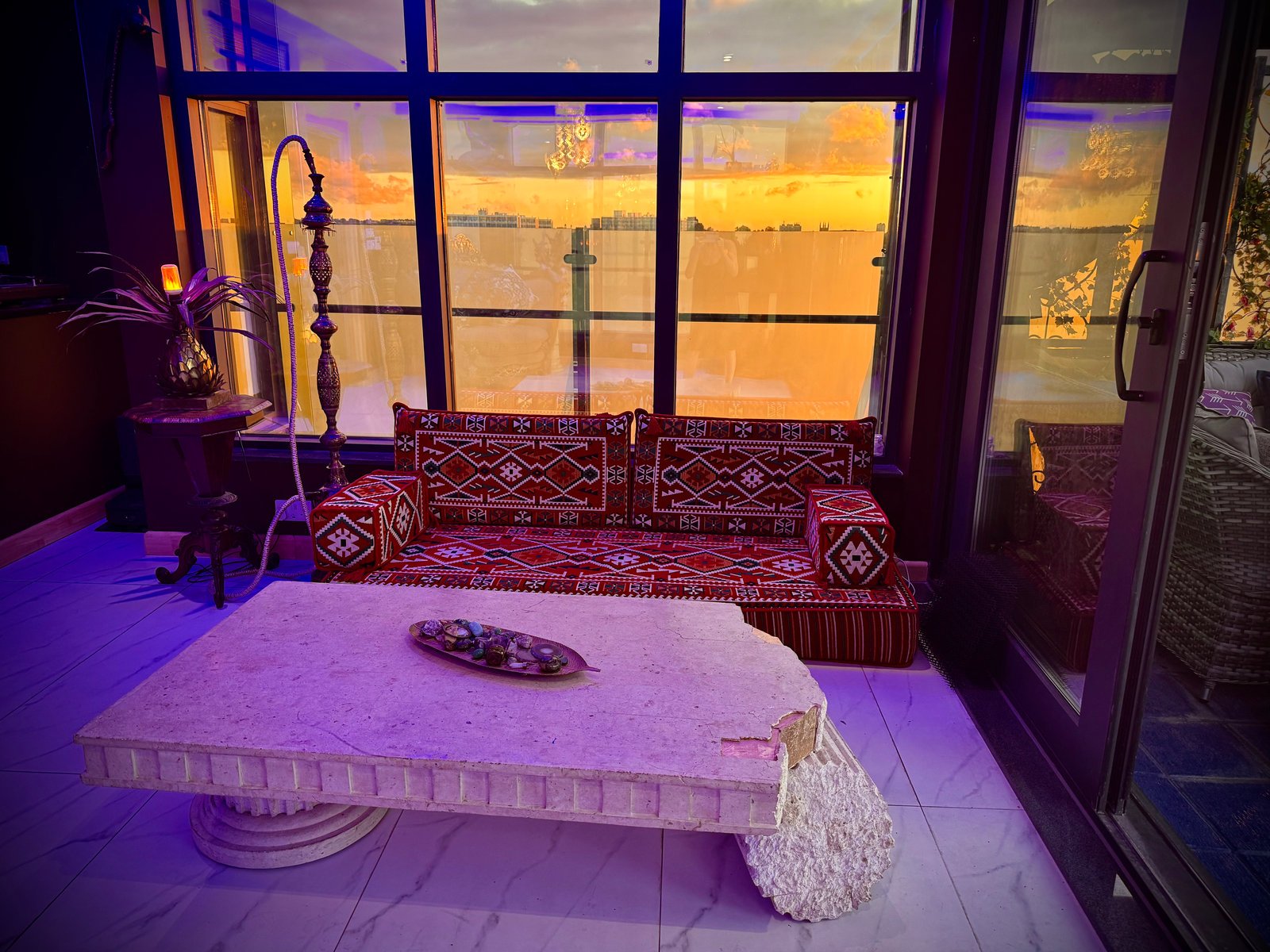
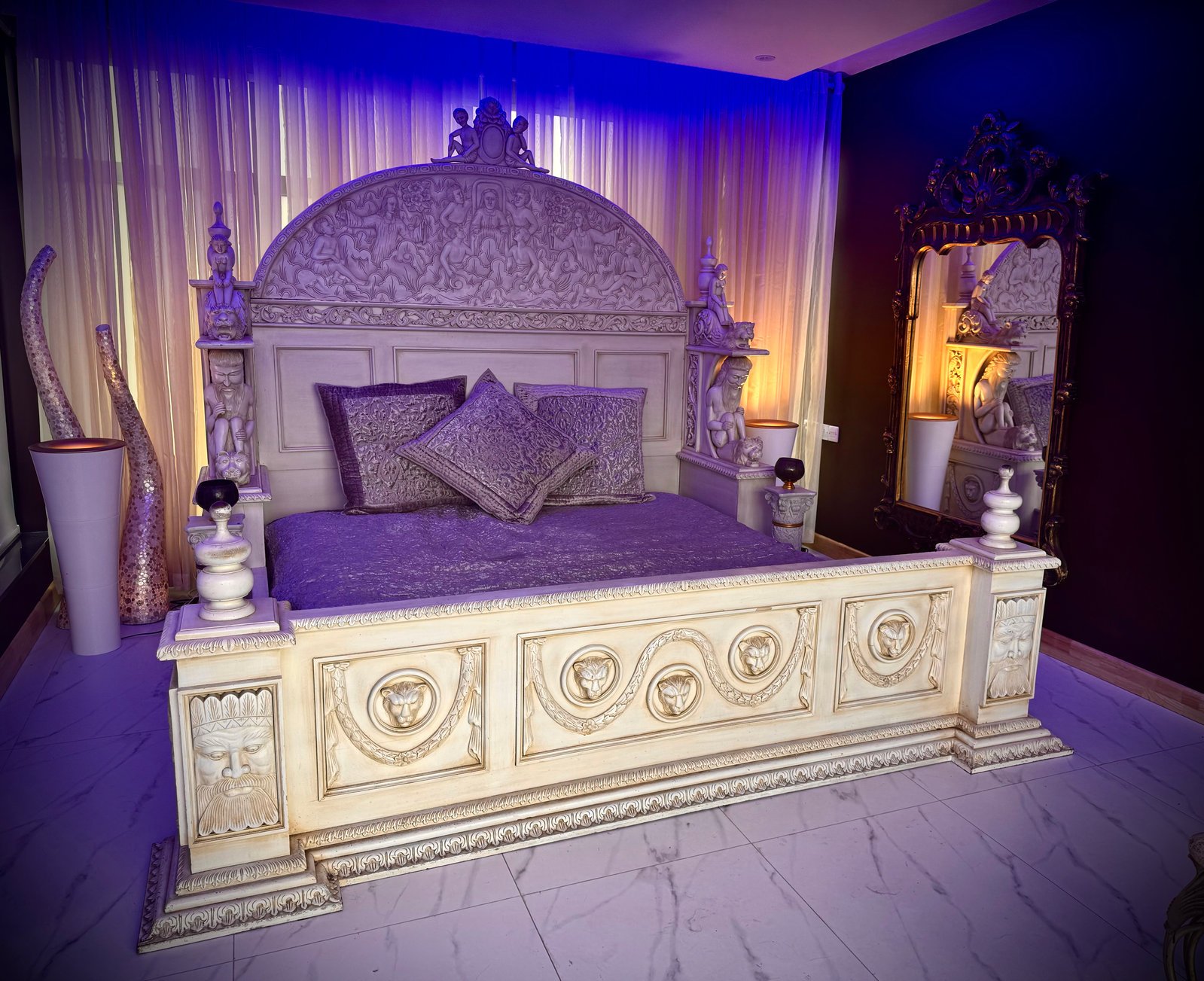
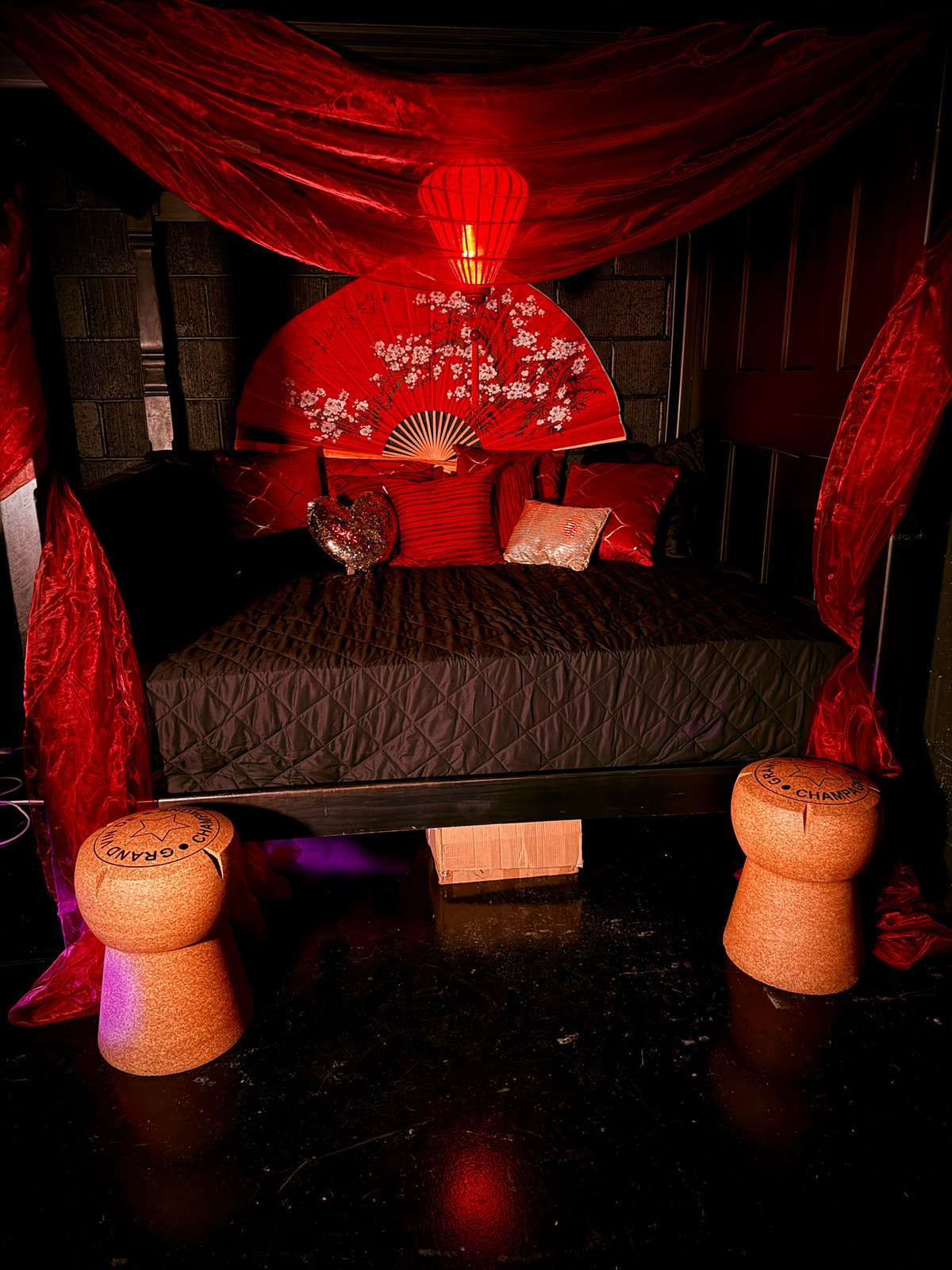
Smashy Owl Studios offers film location hire near Oval station in Camberwell, SE5, for productions that need a bookable space rather than a residential flat. The fully blackout Arch suits controlled lighting and distinctive sets, with drive-in access for vehicles and equipment. For a different visual mood, the Shangri-La Penthouse brings luxury interiors and panoramic London skyline views. Both locations are close enough to combine within one shoot.
Hourly hire with no minimum booking gives teams an option for shorter productions, without requiring a full-day booking. Choose the Arch for music videos or controlled content creation; choose the penthouse when its interior or skyline supports the brief. Photographers, filmmakers and other creatives bring their own teams. After a booking is confirmed, Bella can recommend independent creatives who are booked directly by you.
Explore the spaces and see current rates at smashyowlstudios.com, or email bookings@smashyowlstudios.com to book directly.
Choose the setting that moves your next shoot forward
Choosing between renting creative studio space and filming in a London flat is a creative decision as well as a practical one. Consider what the location needs to contribute on screen, then choose the setting that lets your team focus on the work. A flat can bring an authentic domestic feel; a dedicated space can give your production more control over its environment.
For a London location with a distinct visual identity, Smashy Owl Studios offers photo studio hire, film location hire and music video locations. Bring your own creative team and shape the shoot around the brief. The right location can help turn a visual idea into a considered, cohesive production.
Your next shoot starts with a space that feels right for the story. Take the next step when you’re ready.
Frequently Asked Questions
Will filming damage my property?
Filming can cause damage if equipment, furniture or surfaces aren’t managed carefully, but a clear handover routine helps reduce risk. Before the crew arrives, move valuables out of the working area and photograph fragile items in place. Use floor protection beneath heavy cases and stands, and assign one person to oversee movement through the flat. At wrap, compare the room with its arrival photographs and record any issues promptly.
What makes the best studio space for hire in London?
The best studio for your production depends on its format, not simply its appearance. For an interview, prioritise quiet, a clean background and space for the presenter and interviewer. For product photography, plan room for styling and handling items between shots. Check how the space works for your intended setup, including access for the largest item you’ll bring. A brief test recording or camera view can reveal framing or sound issues before shoot day.
Why choose a warehouse or studio?
Choose a studio or warehouse when the production needs a dedicated workspace, fewer domestic distractions or a particular visual atmosphere. An industrial setting can provide texture for a fashion campaign or music video, while a studio can make repeated setups easier to organise. The trade-off is that the location may need dressing to achieve a lived-in look. Decide which details must appear in frame before choosing the space.
How much does it cost to rent a filming studio in London per hour or day?
London studio hire costs vary according to location, facilities, booking length, time and production requirements. Compare the total booking cost, not just an hourly or day rate. Include any minimum hire period, deposit, overtime, access time and charges for agreed changes. A short interview and a multi-setup campaign have different scheduling needs, so calculate the hours required for arrival, preparation, filming and pack-down before comparing options.
What permissions or licences are needed to film in a rented London flat?
Get written permission from the flat’s owner or authorised landlord, and include the proposed filming activity in the agreement. Tell the managing agent or building manager about crew access, equipment movement and filming times. A tenancy agreement or building rules may affect what’s allowed. Filming beyond the private property can involve separate permissions, so clarify the planned activity and location boundaries before confirming the booking.
What tenancy, landlord, building and insurance rules apply to filming in a London flat?
Read the tenancy terms and building arrangements before agreeing to a shoot. Confirm who can authorise filming, which rooms are available and how shared entrances, lifts and neighbours will be affected. Put access times, crew size, furniture changes and damage responsibilities in writing. Review the production’s insurance cover against the planned activity and property risks, including equipment movement and accidental damage. Keep the relevant agreement and insurance details with the call sheet.
Comments