

Short Film Location Hire London

The lowest-cost location isn’t always the best-value choice for a short film. With short film location hire in London, your budget depends on the space, booking period and production needs. Choosing a location that fits the scene and gives your crew room to work can help keep the shoot focused.
It makes sense to want clear costs before choosing a space. This guide explains what affects filming-location hire costs, explores creative alternatives to conventional settings and compares options for short films, TV and professional productions. There’s no single price for every shoot, so start with the details of your plan.
A blackout studio offers a controlled setting, while distinctive interiors can bring atmosphere to the frame. When comparing spaces, consider access, the conditions you need and how much time your shoot will take. This helps you weigh up the options and choose a location that suits both your creative direction and production budget.
Table of Contents
What are some creative alternatives to traditional filming locations in London?
London offers more than streets and recognisable landmarks for a short film. A private home, controlled studio, warehouse or outdoor setting can each shape the frame differently. Choose according to the scene’s atmosphere, sound needs and practical requirements, not appearance alone.
A London location-hire fee generally covers access to the named space for the agreed booking period. What else is included depends on the location and hire terms. Before booking, clarify which rooms are available, what furnishings and equipment are included, and when your access begins and ends.
Homes and real-life interiors bring lived-in detail to scenes that need warmth or character. A townhouse can suggest a family home; a compact flat can suit an intimate conversation. Historic interiors and distinctive architecture add visual texture, but each room affects camera placement and movement. Narrow hallways, staircases and existing furniture can limit equipment access or restrict the shot. For a home location, establish which rooms are available and how the production will protect the property.
Studios offer a different kind of flexibility. Hiring a photography or film studio gives the team a dedicated space, which can make repeated takes and controlled framing easier. A plain backdrop can support a restrained interview, while a furnished interior can create a specific room setting. Unlike a real home, a studio’s appearance can be planned around the scene. Check whether the space supports your camera positions, sound needs and set dressing.
Warehouse spaces can provide a raw, industrial atmosphere without relying on a familiar street or domestic interior. Exposed surfaces and open floor areas may suit performance scenes, dramatic entrances or sequences requiring movement. The look alone isn’t enough: consider sound, working space for cast and crew, and whether the layout suits the shot list. A warehouse can be visually distinctive, but may need more dressing to suggest a specific location.
Outdoor spaces offer natural context, from tree-lined paths to streets with distinctive architecture. A riverside scene can establish place through the view, while a quiet courtyard can suggest privacy without a house interior. London weather, changing daylight and public activity can affect continuity between takes. Account for these conditions in your schedule and scene plan, especially when matching light across several shots.
For a practical comparison, assess each option against the scene:
Choose a home for domestic detail and recognisable rooms.
Choose a studio for a dedicated, adaptable filming environment.
Choose a warehouse for industrial character and movement.
Choose an outdoor setting when the surroundings contribute to the story.
The strongest alternative is the one that serves the scene without adding avoidable production complications. Match the location to the action, then consider access, sound, light and the time needed to dress the space.
What does it cost to book affordable film locations in London?
The cost of a London filming location depends on the space, booking period and production requirements. A concise shoot in one room has different needs from a multi-scene production requiring several areas or vehicle access. Compare what the hire includes, not just the headline rate.
For a short film, start the location-hire process by sharing your dates, scene requirements and practical needs. The provider can then match those details to a suitable space, explain the hire terms and arrange the booking.
Several details shape the overall hire cost. Consider the location’s size and character, the hours required, the number of rooms used, and the time needed for access or dressing. A bright interior might suit a daytime interview, while a controlled studio could better serve a scene that needs consistent conditions. A central address can also affect travel plans for cast, crew and production vehicles.
Think about the finished production when shortlisting filming locations. A brand campaign, for example, might need distinct backgrounds for product shots, interviews and social content. A TV drama scene could call for a believable office, home or reception area. A music performance may need a spacious setting that supports movement and the chosen camera angles. Each brief calls for a suitable space and booking plan.
Production vehicles and unit bases need separate consideration. If vehicles must enter or remain near the filming space, access arrangements and vehicle dimensions can affect which locations work. Don’t assume parking is part of a hire. Establish where production vehicles, cast and crew can arrive, unload and wait. A location used as a unit base also needs to meet the production’s practical requirements, not just match the scene on camera.
Prepare a realistic brief before requesting a quote. Include the intended use, scenes, preferred dates, access needs, vehicle requirements and any separate base requirements. A clear brief helps the provider identify a suitable space and explain what the hire covers. Request the current rates for your chosen location rather than relying on a general market figure.
For a production with a specific location or access brief, discuss your filming requirements and outline what the shoot needs.
What are the top cheap filming spaces available in London?
Affordable filming venues range from plain studios to hidden gardens and industrial interiors. The best-value hourly option is the one that suits the scene and production schedule.
London Venue Listings
London listings can help short productions discover studios, homes, gardens and industrial spaces. Treat each venue as a possible visual setting, then consider whether its layout and access suit the scene. A central London room may simplify travel, while a garden can provide a natural backdrop. An industrial interior offers a different mood from a conventional office or home.
Look beyond listing photographs. Check what the hire includes, which areas are available and whether the space can support your filming plan. A compact room may suit a dialogue scene but limit wider camera angles. A larger venue could offer more flexibility, yet take longer to dress. The right fit depends on the shot list, not just your first impression.
Hourly Hire Prices
Hourly hire prices vary with the venue, booking period and production needs. There’s no single reliable rate for every London location, and an advertised starting price may not cover every requirement. Compare the current rate for the specific space and check how the booking time is calculated. A short, contained shoot may need fewer hours than one involving set dressing or several scenes.
Factor in the full schedule, including arrival, preparation, filming and clearing the space. A low hourly rate may be less useful if your production needs extra time or specific access arrangements. Filming in one furnished room, for example, differs from a shoot requiring both a garden and an interior. Ask for the current rate and terms for the chosen venue, then match the booking period to your plan.
Location Agencies and Platforms
The best provider for a short film is the one whose locations suit the brief and whose hire terms are clear. Listings platforms can help with discovery, while direct location providers can discuss the specifics of their spaces. Compare the actual venues, not just the platform or provider name. Check that the images and details reflect the areas available for filming.
Assess each option against the script, access needs and schedule. A hidden garden may add atmosphere but won’t suit every scene; an industrial venue may provide stronger visual texture. Make sure the provider understands the intended use and production requirements. Clear communication before booking helps align the location with the shoot and reduce surprises on the day.
Keep the shortlist practical. Group scenes by setting, then decide whether one versatile venue can serve several moments or distinct locations are essential. For a production set in central London, include travel between locations and arrival times in the schedule. If a garden or another outdoor space is important, allow for changes in daylight and conditions during filming.
Before choosing hourly hire, set out the scene requirements, preferred dates, access arrangements and expected time on location. Share these details in a concise production enquiry so the location team can consider the brief and relevant space.
Film, TV and event location hire
Film and television productions need locations that serve both the story and the schedule. For event filming, plan the camera setup around the activity, audience movement and access to the backdrop.
A street scene can establish a period quickly, but busy surroundings may affect sound and continuity. A Victorian façade can suggest another era, while a contemporary station entrance provides a recognisable urban setting. For either choice, plan camera positions, cast movement and the time needed to capture matching shots. An exterior needs to work for the production, not just look compelling on camera.
London’s boroughs offer different location contexts. One agency listing includes 65 locations in Westminster, 48 in Tower Hamlets, 47 in Hackney and 42 in Camden. It also lists 31 in Brent, 29 in Barnet, 28 in Islington and 22 in Haringey. Further listings include 19 in Ealing, 16 in Hillingdon, 15 in Greenwich and 14 in Lewisham. Use boroughs as a starting point, then match each setting to the scene and travel plan.
For a film or television shoot, assess the location against the script, shot list and production schedule. A flexible interior can serve several scenes if its backdrop works from multiple angles. A period sequence may need architectural details that remain consistent across shots. For a contemporary scene, a street near a station could provide context, but public activity may complicate sound recording and continuity. Build these practical factors into the schedule.
Public spaces and historic landmarks can require permits or permissions for filming, sometimes with associated fees. Royal Parks requires minimum public liability cover of £5 million for the described commercial filming and photography requests. That requirement applies to those requests, not automatically to every London location. Check the permission process for the specific setting before fixing production dates.
Plan filming and event logistics separately. A press event or product launch may involve guests, presentations and filmed interviews, each needing a different arrangement. Set out where filming will take place, how people will move through the space and whether recorded dialogue requires quiet. A clear schedule helps avoid clashes between activity on camera and activity around it.
Before confirming a location, document the intended use, access arrangements, filming period and production footprint. For a street or station setting, include public movement and sound in the shot plan. For a historic interior, identify the architectural details the camera must capture. These steps help you choose a backdrop that supports the story and remains workable throughout filming.
Smashy Owl Studios: Dance Studio for Filming London
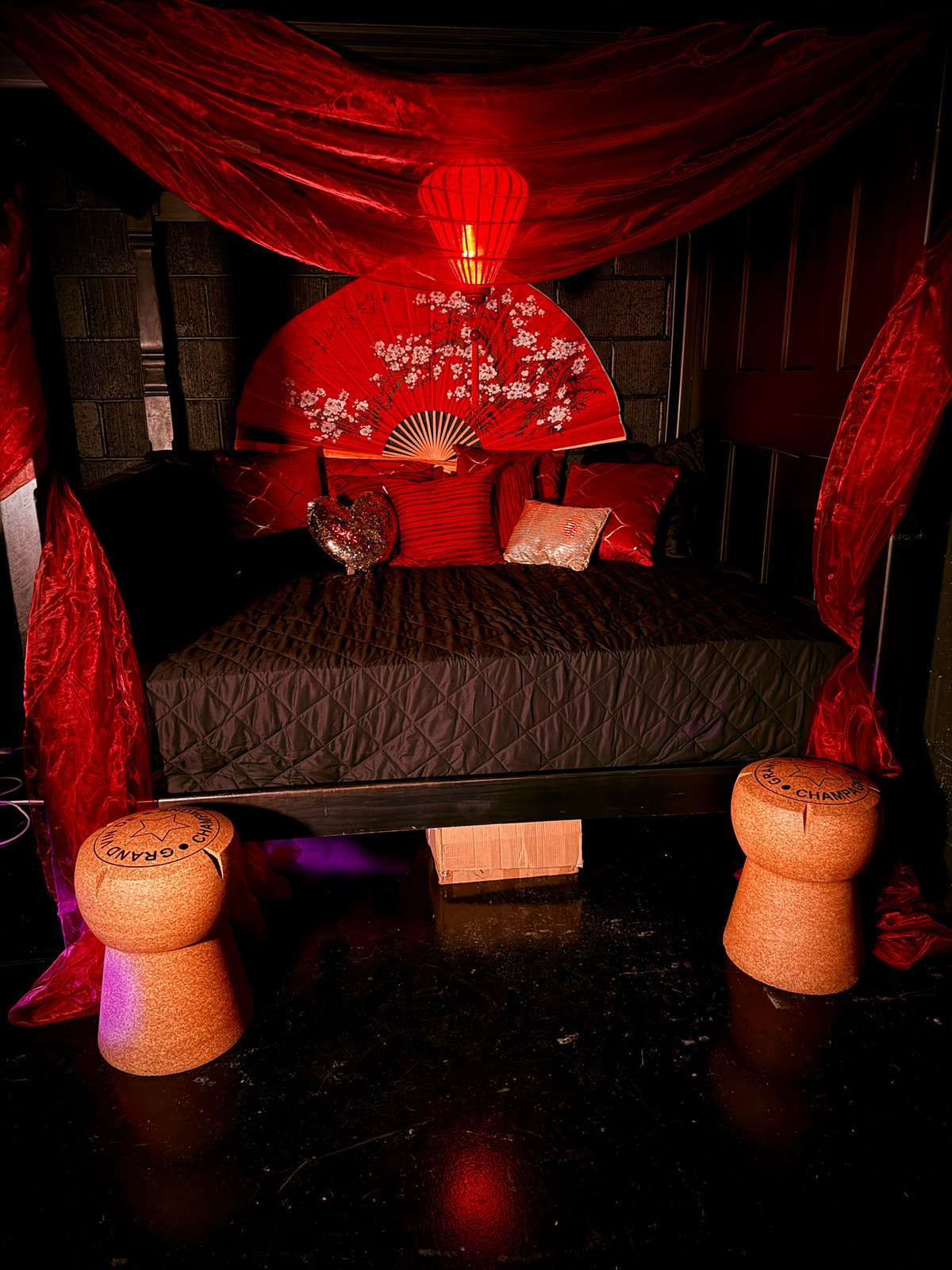
Smashy Owl Studios offers professional spaces for short films, dance filming and music videos. The Shangri-L’Arche Blackout Studio is a converted commercial arch with full blackout, a stage, RGB lighting and drive-in vehicle access. Its mirror, neon runway and aerial hoop can add distinctive visual details to a performance shoot.
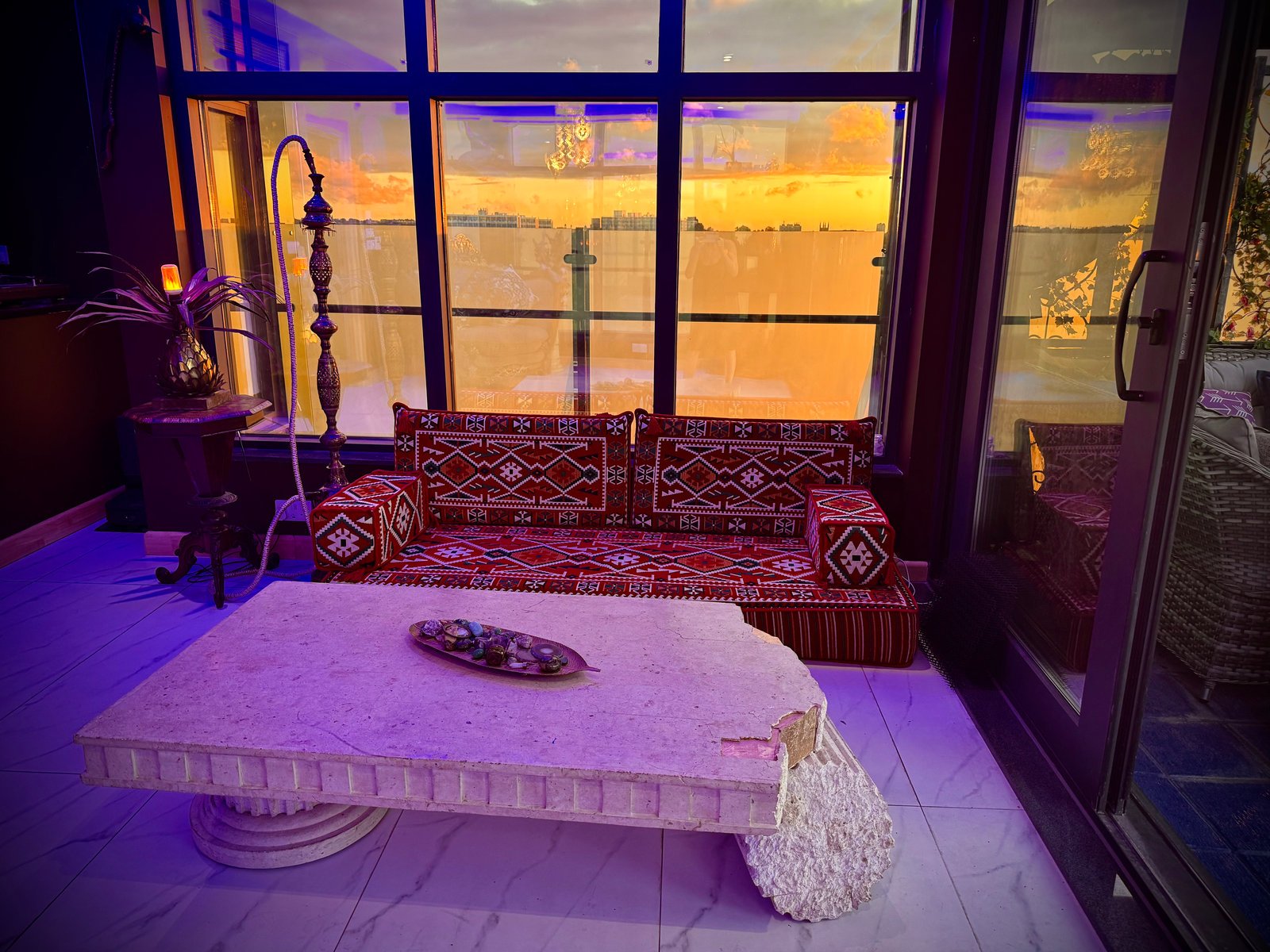
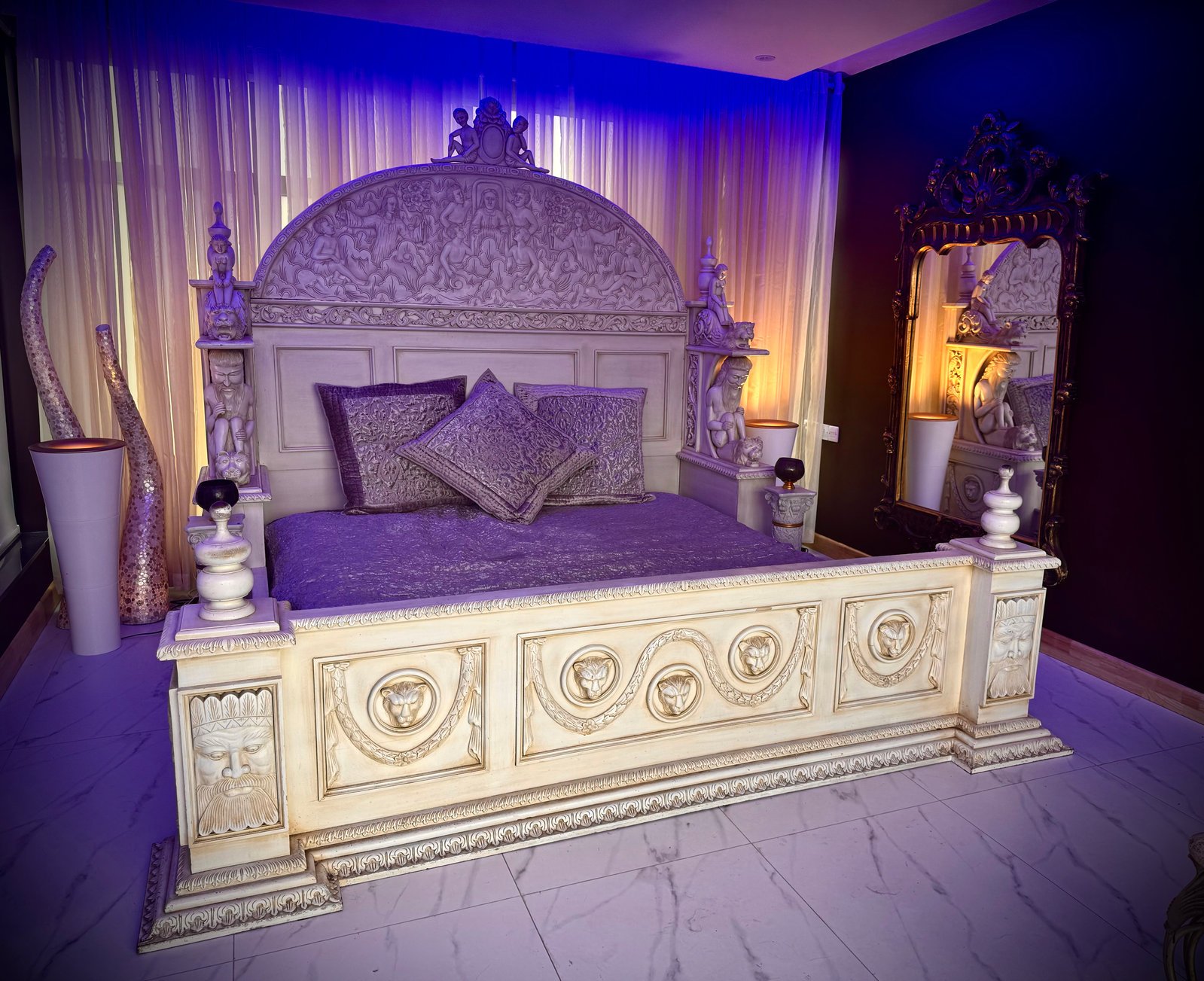
For a contrasting look, the Shangri-La Penthouse brings luxury interiors and panoramic London skyline views. The two locations are 0.5 miles apart, around three minutes’ drive, so productions can split a shoot between both. Flexible hourly hire has no general minimum booking; drive-in vehicle shoots at the Arch require a three-hour minimum.
The locations may suit productions looking for filming spaces in London. Bring your own crew and creatives to make the space work for your production. To discuss a booking, contact Smashy Owl Studios or email bookings@smashyowlstudios.com.
Choose a location that moves your film forward
For short film location hire in London, let the scene’s purpose guide your next decision. Consider what the location needs to communicate, how the action will use the space and which details must remain consistent between shots. A clear creative brief gives your location choice direction before production planning gets more detailed.
Smashy Owl Studios offers photo studio hire, film location hire and music video locations in London for creative teams bringing their own crew. Think about the visual identity of your project, then choose a setting that supports it, whether you’re planning a narrative short, performance sequence or campaign content.
Once you have a location in mind, outline your intended use, preferred dates and practical requirements. This gives the booking conversation a clear starting point and helps connect your production needs with the right space. Keep your focus on the atmosphere and the work you want to create.
Your next memorable scene starts with a space that feels right for the story. Take the next step when you’re ready.
Frequently Asked Questions
Do you need permits or insurance to film at a hired space?
It depends on the location and filming arrangements. For a hired private space, the booking terms set out how the production may use it. Public streets, parks and historic sites can involve separate permissions. Before setting the schedule, clarify who is responsible for obtaining any required permissions and what insurance the location’s terms require. This helps avoid confusion between the production team and the space provider.
How much are average location rentals in London?
There isn’t one average rate that meaningfully represents every London location. Prices depend on the type of space, time booked and production requirements. A short interior shoot and a production needing a distinctive setting may have different needs. For an accurate budget, compare the current rate for the specific space and its hire terms. Smashy Owl Studios’ current rates are available on its website.
Is it better to pay for a location or use a free spot?
Paying for a location can be worthwhile when your production needs dedicated access or a particular visual setting. A free public spot may suit an exterior scene, but activity around the shoot can affect timing and sound. A quiet exchange between actors, for example, may be easier to film in a controlled interior. Decide based on what the scene needs and how much unpredictability the production can accommodate.
Looking for large spaces to film in?
The Blackout Arch measures approximately 7.5 × 14.5 × 4.5 metres, offering room to plan camera positions and movement. It also has drive-in vehicle access, which must be discussed before booking. Consider the action, framing and space needed for your own crew when assessing whether the setting suits the production. For vehicle shoots, the drive-in option has a three-hour minimum booking.
Where can you hire locations for short film shoots in London?
Smashy Owl Studios provides London spaces for short films, music videos and other professional productions. For short film location hire in London, share your shoot type, preferred dates and times, crew size and practical requirements when enquiring. This gives the team a clear starting point for discussing a suitable space. Bring your own filmmakers and creative team to carry out the production.
What types of London film locations are available to hire?
London film locations include homes, studios, warehouses, commercial interiors, gardens and outdoor settings. The right type depends on the scene: a home can create a lived-in atmosphere, while a studio provides a dedicated filming environment. For short film location hire in London, consider how the setting contributes to the story as well as the practical needs of the shoot.
Book directly with Smashy Owl Studios or email bookings@smashyowlstudios.com.
Comments