

Persuade Agency Clients to Hire a London Boutique Studio

A studio does not have to be just another production cost to justify. The right setting can make a campaign more distinctive and support the idea from the first frame. To make the case for convincing agency clients on boutique studio hire London, show how the space serves the brief, rather than simply saying it looks impressive.
Start with the campaign objective. The Shangri-La Penthouse has eight shootable rooms and panoramic London views, offering varied visual set-ups in one location. The Arch blackout studio has drive-in access and professional lighting, making it suited to productions that need controlled lighting and practical vehicle access. These spaces offer different creative options, not interchangeable features.
Build your recommendation around three things: the visual identity, the production plan and the role each setting plays in the deliverables. When the creative ambition and practical details work together, clients can see why the location belongs in the proposal and how the team intends to use it.
Table of Contents
Why London agency clients need a clear case for boutique studio hire
Build the creative case: make a boutique London studio part of the idea
Compare boutique studio hire with the production needs behind the brief
Create a client-ready pitch for boutique studio hire in London
Present Smashy Owl Studios as a London location with two creative directions
Why London agency clients need a clear case for boutique studio hire
A location has to do more than look compelling on a moodboard. Clients need to understand how it serves the campaign idea and how the shoot will work in practice. If studio hire feels like an extra line on the budget, rather than a purposeful creative decision, approval becomes harder. Bring the visual opportunity and the production plan together from the start.
Boutique studio hire means choosing a characterful setting for a specific creative brief. Its value is not simply that it looks different. The setting should help express the campaign message, create a recognisable visual world for the intended audience and support the planned deliverables. That is what turns an attractive backdrop into a considered location recommendation.
A brief-led studio choice is a setting whose character strengthens the campaign idea and whose practical features support the shoot plan.
Turn the campaign brief into a location argument
Before suggesting a space, distil the brief into four points: the audience, the campaign message, the required deliverables and the impression the work should leave. Then turn broad words into visible choices. “Premium” might call for considered interiors and a refined atmosphere; “energetic” might suggest bold colour, strong lines or room for movement. Treat these as creative directions to explore, not automatic answers.
Use the setting to reinforce the concept, not compete with the brand. Ask what the audience should notice first, how the location supports the product or message, and whether the environment will feel coherent across the planned images or video. The case for convincing agency clients on boutique studio hire London is strongest when every visual choice has a clear purpose.
Address the client’s practical concerns early
A distinctive location still needs to work for the production. Outline the intended schedule, the set-ups required, how the crew will move between them and when the client can review the work. These details help clients picture the shoot and assess the plan. They also show that the location has been chosen for more than its appearance.
Be precise about what the setting makes possible. If several scenes are planned, explain how the space supports those changes. If lighting control or access matters, include that in the rationale. For a practical overview of selecting a production space, see the London photo studio hire guide.
Keep both parts of the case visible: the studio advances the creative objective, and the proposed plan accounts for the work involved in the shoot. The visual argument earns attention; the practical case builds confidence.
Build the creative case: make a boutique London studio part of the idea
A distinctive studio can give a campaign a visual signature, helping the images feel connected rather than like a collection of unrelated assets. Explain what the space contributes to the story. Do not pitch character for its own sake. Show how the setting supports the brand’s positioning, makes the message tangible or gives the audience a memorable visual cue.
For a campaign aiming to communicate urban luxury, a rooftop setting can make the London skyline part of the visual story. That links the location’s character to a specific objective and gives the client a reason to choose it beyond appearance.
Show the client what the setting contributes
Make the atmosphere easy to picture with a concise moodboard or reference images. Add plain-language notes on framing, backgrounds, light and room character. Explain whether the concept needs an airy lifestyle feel, a graphic backdrop or a controlled, dramatic image. Separate what the location supports from elements that need their own production planning, such as props, styling or additional lighting.
Match the environment to the intended impression. Natural-light lifestyle work may suit a bright, relaxed direction, whilst a blackout space can support a more controlled look. Neither is automatically the better choice: the decision depends on the brief, the required images and the atmosphere the brand wants to create. At Smashy Owl Studios, the Shangri-La Penthouse has eight shootable rooms and panoramic London views; the Arch blackout studio has professional lighting and drive-in access.
Pitch visual variety as purposeful, not excessive
Multiple looks can help a campaign work across formats, but each needs a role. Start with the agreed deliverables, then map the required settings or compositions to them. A social content plan might call for a hero image, a close product detail and a more informal lifestyle frame. These variations can feel cohesive when they share a visual thread, such as colour, framing or a consistent sense of place.
Keep the plan grounded. Identify priority set-ups and distinguish them from optional ideas, rather than suggesting that every corner of a location will become a separate campaign. The penthouse’s different rooms can support varied scenes within one setting, while the blackout studio offers a contrasting visual direction. For ideas on matching a space to different content formats, see the London content creation studio guide.
For agencies working on convincing agency clients on boutique studio hire London, specificity turns visual appeal into a persuasive case. Present a short sequence: the campaign objective, the look that serves it and the planned images that bring it to life. Consider Smashy Owl Studios’ two South London studio locations as distinct creative directions, rather than interchangeable backdrops.
Compare boutique studio hire with the production needs behind the brief
A boutique setting is not automatically the right choice, just as a conventional studio is not automatically more practical. Compare each option with the production you are planning. Ask: Does the studio fit the creative direction, support the required lighting, allow workable access, accommodate the planned set-ups and make client review straightforward?
Use the comparison to make trade-offs visible, not to declare a universal winner. A characterful interior may strengthen a lifestyle concept, while a blackout environment may suit a shoot that needs controlled lighting conditions. Access matters too: consider how camera, talent, props and crew will move through the space and between set-ups.
Creative fitBoutique setting: assess whether its distinctive character supports the campaign mood. Conventional studio: consider whether a more neutral environment gives the creative direction the flexibility it needs.
Lighting controlCompare the brief’s need for natural-looking light or controlled conditions with the studio’s features. The Arch blackout studio has professional lighting and a blackout environment. This applies to that studio, not the Shangri-La Penthouse.
AccessMap the movement required for the production. The Arch blackout studio’s drive-in access is relevant when vehicle access is part of the plan.
Set-upsCount the distinct looks the deliverables require. The Shangri-La Penthouse has eight shootable rooms, whilst the Arch blackout studio provides a contrasting production environment.
Client review needsPlan when the client needs to review work and fit those review points around the set-up sequence. Treat review arrangements as part of the production plan.
Match the production format to the studio environment
Start with the format and visual requirements. Does the brief call for daylight, controlled blackout conditions, distinctive interiors or vehicle access? Then consider the footprint of the shoot: where camera positions will sit, how talent and crew will move, and whether props can be placed without disrupting the planned set-ups. These questions help you assess whether the environment suits the production.
When comparing locations for a production, consider both the setting’s role in the creative and its practical suitability. The London film location hire guide offers further context for assessing production spaces.
Explain value without unsupported cost claims
Keep the value case tied to the work: the location’s creative relevance, the agreed deliverables and the shoot-day requirements it supports. Avoid promising that a particular studio will reduce costs or deliver a specific return. Show studio hire alongside the wider production budget, including crew, equipment and post-production.
Create a client-ready pitch for boutique studio hire in London
A strong recommendation is easy to follow and easy to approve. Lead with the campaign outcome, then show how the location supports it and how the production will use the space. Focus on the client’s priorities instead of listing every venue feature. A small selection of reference images can make the proposed look tangible without overwhelming the decision.
Shape the recommendation around client approval
Build the pitch in this order. Each step should answer a question the client is likely to have, from “Why this location?” to “What do you need us to approve?”
Brief. State the campaign objective, intended audience and key deliverables. Focus on the experience or impression the work should create.
Visual rationale. Show a concise set of reference images. Explain how the setting’s light, interiors or distinctive details support the creative direction and align with the brand.
Production fit. Link the studio’s features to the planned shoot. The Shangri-La Penthouse’s eight shootable rooms may suit a brief requiring several interior looks, whilst the Arch blackout studio’s professional lighting and drive-in access may suit a controlled production.
Practical plan. Outline the intended set-ups, access requirements, crew movement and client review points. Make clear how the studio’s features fit into the wider production plan.
Decision. Recommend one option and give a concise reason tied to the campaign priorities. State the next approval needed, such as sign-off on the location and proposed visual direction.
Make the shoot plan feel credible
Keep the plan specific to the production instead of relying on generic promises about speed or simplicity. Show the proposed order of set-ups, how the team will move between them and where the client can review work. Use timings when they have been planned for that shoot, and describe technical details accurately.
Set out the production requirements clearly. List the studio and its features separately from the crew, cameras, additional equipment, styling and post-production included in the wider shoot plan. This helps the client understand how the location supports the work.
For agencies focused on convincing agency clients on boutique studio hire London, a clear recommendation makes the decision feel grounded: campaign objective, visual reason, production fit, practical plan, approval. Keep supporting details close to those points and leave unrelated venue features out of the pitch.
To shape a location shortlist around distinct creative directions, explore Smashy Owl Studios’ London locations.
Present Smashy Owl Studios as a London location with two creative directions
Near Oval in South London, Smashy Owl Studios brings together two distinct production spaces: the Shangri-La Penthouse and the Arch blackout studio. Each suits different creative needs. The Shangri-La Penthouse has eight shootable rooms and panoramic London views; the Arch blackout studio has drive-in access, professional lighting and a blackout environment.
That contrast can help agencies make a sharper recommendation. Match the brief to the space, then explain what the venue contributes to the images and how its features support the production plan. The strongest option is the one that serves the idea, not the one with the longest list of features.
When the Shangri-La Penthouse supports the campaign
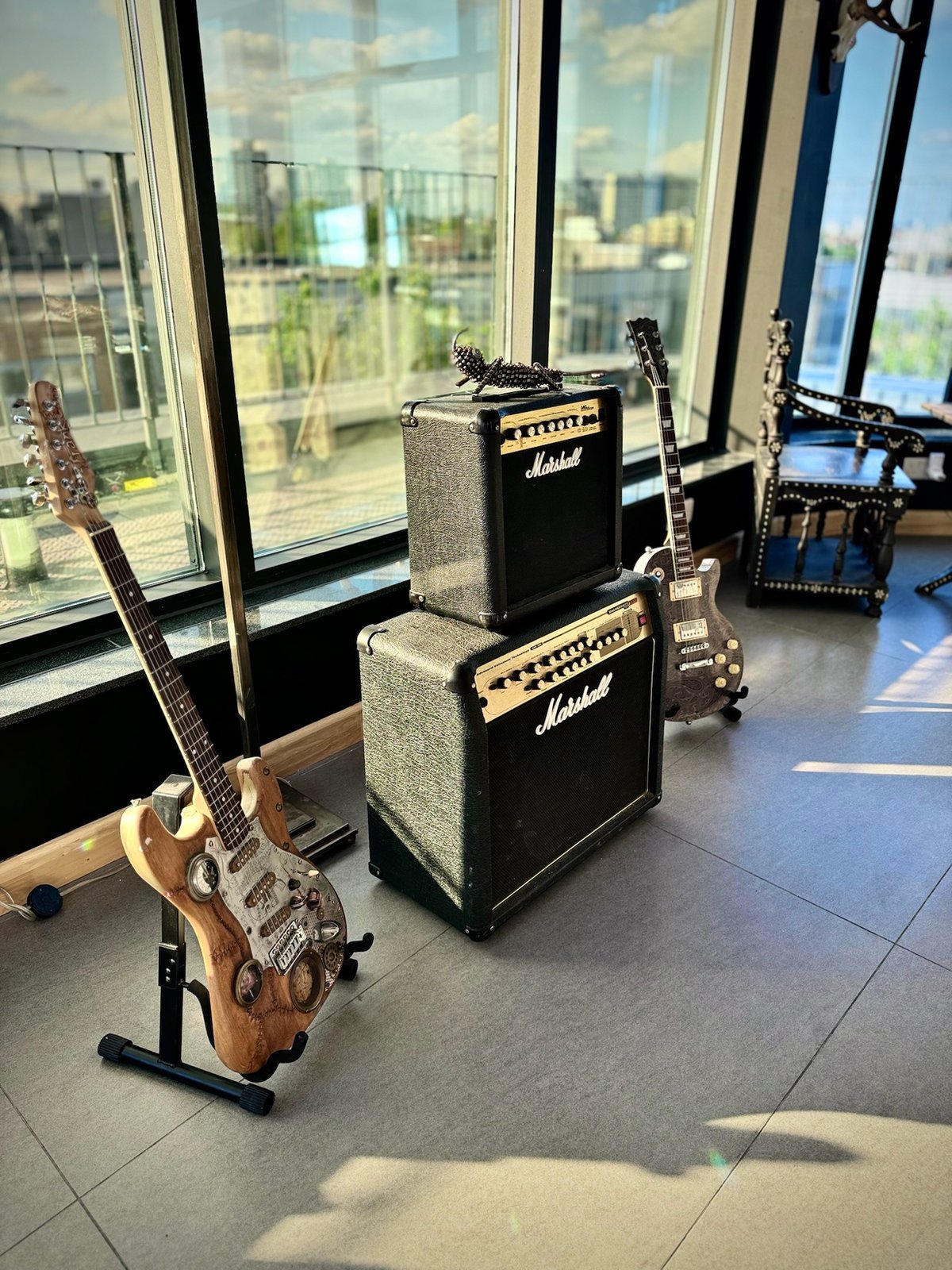
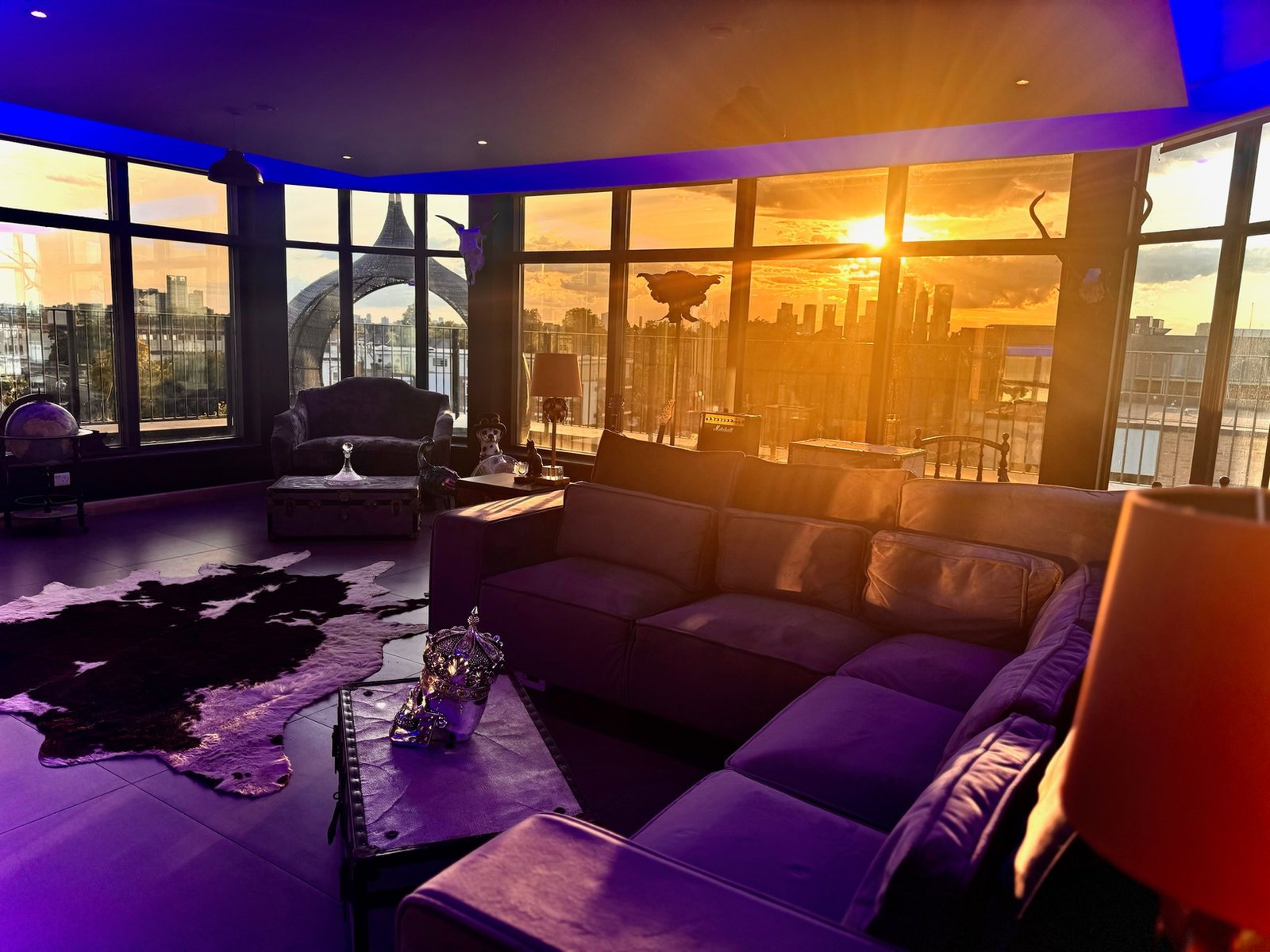
For a brief seeking lifestyle-led imagery, the Shangri-La Penthouse has eight shootable rooms and panoramic London views. The interiors can support distinct scenes whilst helping the campaign retain a connected sense of place. The rooftop hot tub can be a visual feature when it fits the concept. Read more about the Shangri-La Penthouse.
In a client pitch, describe the visual role of the rooms and views rather than listing amenities. A brand seeking a relaxed, elevated atmosphere might use the interiors for lifestyle scenes and the skyline for a wider establishing image. Tie the planned shots to the agreed deliverables, and treat the hot tub as an optional creative choice rather than a required part of the story.
When the Arch blackout studio fits better
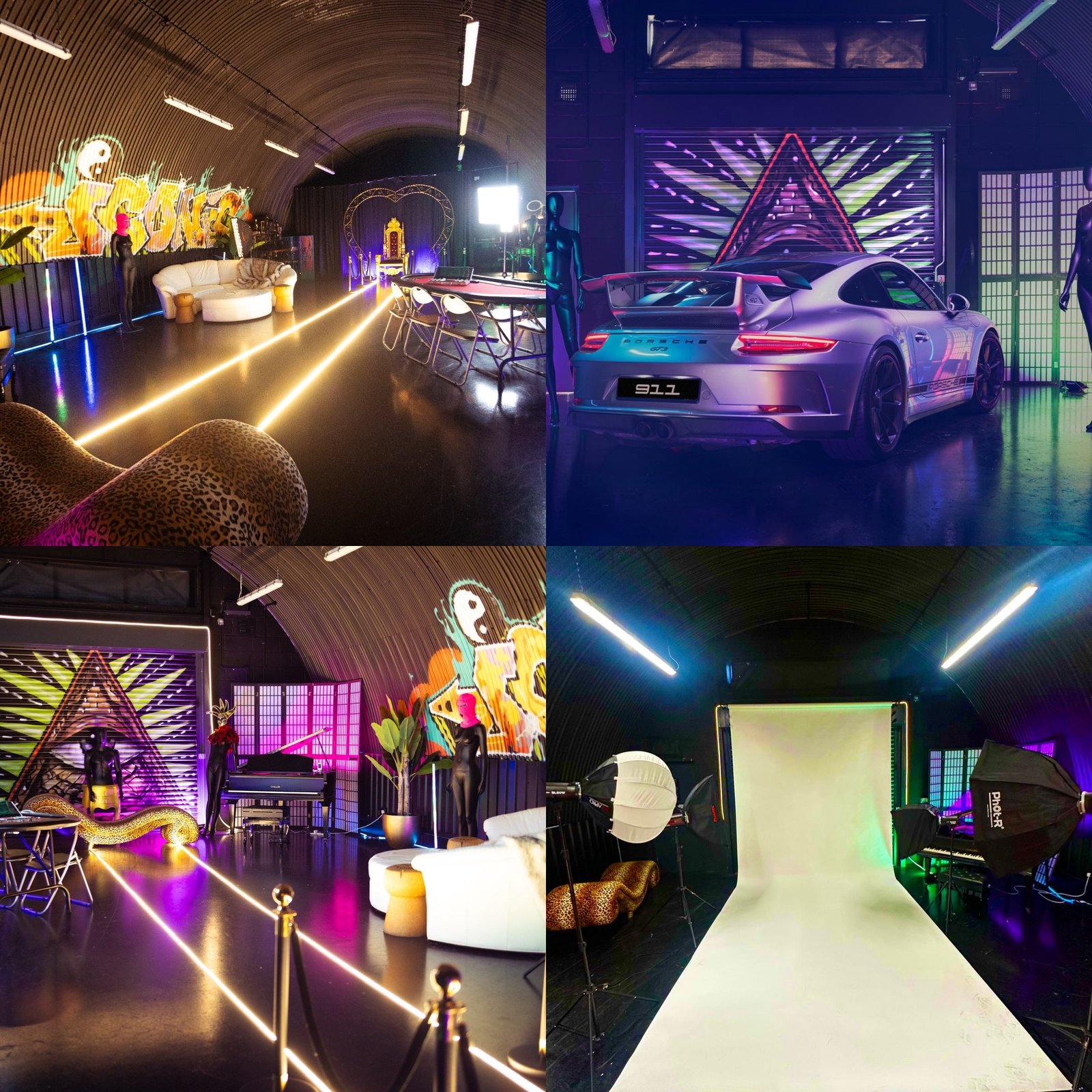
Choose the Arch blackout studio when the production needs controlled lighting conditions or vehicle access. It has professional lighting, drive-in access and a blackout environment that supports a deliberately constructed visual look.
Distinctive features can add another layer when the brief calls for them. The Arch blackout studio’s baby grand piano could suit a performance-led concept; its aerial hoop may support a movement-focused shoot; and its neon runway could reinforce a bold, graphic direction. Include these features only when they strengthen the campaign idea and have a role in the planned set-ups.
For contrasting creative directions, consider the Shangri-La Penthouse and Arch blackout studio together. Explain why each setting earns its place, then outline the planned transitions and production requirements.
For convincing agency clients on boutique studio hire London, make the recommendation specific to the campaign, not a venue catalogue. Explore the Arch blackout studio and match the setting to the visual direction, deliverables and practical needs of the brief.
Turn your location recommendation into the next creative step
The next client conversation need not be a defence of studio hire. Make it an invitation to shape the campaign together. Present the proposed visual direction alongside the deliverables it needs to serve, then give the client a clear decision to make. This keeps the discussion focused on what the audience should see and feel, rather than on venue features in isolation.
Before presenting, check that your recommendation is easy to repeat: one campaign priority, one reason the setting supports it and one practical next step. This clarity can make convincing agency clients on boutique studio hire London feel less like selling an added cost and more like guiding a considered creative choice. It also gives the team a sound basis for developing the production plan once the direction is approved.
A clear recommendation connects the campaign priority, the setting’s features and the planned production approach, giving the client a focused creative decision to approve.
Frequently Asked Questions
Can a boutique studio work for a commercial campaign?
Yes. A boutique studio can suit a commercial campaign when its setting matches the creative and production requirements. For a product launch, for example, a distinctive interior could help establish the brand’s world while the shot list keeps attention on the product. Assess the space against the intended audience, required formats and planned scenes. Boutique describes the character of the setting, not a limit on the type of campaign it can support.
How do I explain boutique studio hire to a client?
Connect the location to the audience’s experience of the campaign. To make a case for boutique studio hire in London, show how the space supports the message, then use a few reference images to make the proposed atmosphere clear. Explain the planned shots and practical requirements. Keep the recommendation focused on one strong direction, so the client can see what they are approving and why it fits.
What should an agency include in a studio hire proposal?
Include the campaign objective, visual references, proposed location, planned scenes and production requirements. Add a short rationale linking the setting to the work, such as how a particular background supports the product or brand styling. Set out practical needs, including access and the lighting approach. Clearly separate the venue’s features from the wider production arrangements. This gives the client a useful basis for reviewing the location alongside the shoot plan.
Can a London studio location help a campaign stand out?
A London location can help create a distinctive visual identity when its details reinforce the brand and message. Consider what appears in frame, from interior character to the surrounding city, and whether it supports the intended mood. A recognisable setting, for example, might strengthen a fashion story rooted in urban style. Use references and planned shots to show the connection, without promising audience engagement or sales based on the location alone.
Can I book two different studio locations for one production?
Yes. Two spaces can suit a campaign that needs contrasting looks, such as relaxed lifestyle scenes and a more controlled visual direction. Before proposing both, give each setting a clear role in the agreed deliverables. Build the schedule around the planned set-ups and allow for the move between locations, so the creative benefit is weighed against the production time involved.
Does studio hire include a production crew or camera equipment?
Plan the crew and camera equipment as part of the wider production requirements. In your proposal, list the studio and its features separately from the people and kit needed for the shoot. Include any styling, post-production or other production arrangements in their own section. This helps the client understand the scope of the location booking and the complete production plan.
Ready to recommend a distinctive London studio for your next agency production? Book at smashyowlstudios.com or contact bookings@smashyowlstudios.com.
Comments