

Natural daylight penthouse vs artificial flash studio hire London

Daylight isn’t automatically the better choice. Choosing between a natural daylight penthouse and artificial flash studio hire in London comes down to the look you want and how much control your shoot needs. Daylight brings a changing, atmospheric quality, while flash offers more consistent lighting. Compare each space and its hire terms to find the right fit.
Natural light can create soft, expressive images, but it changes with the weather, season and time of day. Flash is a good fit when you need repeatable results or a set lighting style. Neither approach suits every brief.
This guide covers what affects studio hire costs, what to look for in London natural-light spaces and how to plan around daylight. It also explains when a penthouse setting suits the brief and when a controlled studio offers more flexibility.
Table of Contents
What does it cost to book natural light studios in London?
Choosing between a natural-daylight penthouse and an artificial-flash studio in London depends on the images, schedule and setting your production needs. Compare each location’s booking terms, lighting, access and usable rooms. The rate alone won’t tell you whether a space suits your shot list or allows enough time to set up.
For fashion, portrait and editorial photography, natural light can create an atmospheric look shaped by the windows and weather. Flash gives photographers greater control and consistency across setups. Product photography may benefit from repeatable flash lighting for colour and detail, while a portrait may call for the softer character of daylight. Choose based on the visual brief, not a universal winner.
South-facing windows can bring direct sunlight into a space, but its position and intensity change throughout the day. Before choosing a booking time, consider the window direction and whether your images need direct sun, softer light or controlled flash. This helps you schedule daylight-dependent scenes when the light best suits them.
Natural-light studios can give daylight editorials depth and atmosphere, but changing light may create variation between frames. Photograph similar looks together. For example, shoot a fashion story in one room before moving to another, rather than returning later after the light has shifted.
For filming and photography, assess the background as well as the light. A bright apartment may suit an interview or lifestyle scene; a flash-lit setup may work better for a product series that needs a consistent finish. Check which rooms suit your planned camera angles and whether the furniture helps the composition or needs repositioning.
Booking, cancellation and overtime policies vary between London studios. Read the booking terms alongside the hire conditions to understand how changes, extensions and time beyond your booked slot are handled.
Each location sets its own rules for crew size, noise, catering, pets and studio lighting. Check these conditions when planning what to bring and how your team will work in the space.
Safety and insurance arrangements are set out in the studio’s hire terms and depend on the production setup. Consider the people, equipment and placement of stands or cables in the shooting area.
Penthouse access depends on the building’s routes, lift and loading arrangements. Plan how cases and stands will reach the shooting rooms, and allow time to move and set up equipment.
A London skyline-view setting can suit a daylight-led brief, while a flash-based approach calls for control over the final image. Match the space to the visual priorities and production plan.
Natural light studio listings and locations
For natural daylight, shortlist London penthouses with generous glazing, clear window orientation and light that suits your shoot time. Choose a setting whose daylight fits the fashion story, portrait mood or filming requirements.
Listings may say “bright apartment” or “natural light”, but that doesn’t explain how light moves through a room. Look for details about window direction, glazing, room layout and blackout options, then match them to your planned scenes. A broad window may give a fashion portrait soft, open illumination, while direct sun can create harder shadows and brighter highlights.
In a filming apartment, daylight can give an interview or lifestyle scene a convincing, lived-in quality. But it changes through the day, which can affect continuity between takes. Plan key shots in the same room and lighting conditions, or use curtains and controlled artificial light to manage shifts. Several rooms can offer different backdrops, but check how naturally lit each one is.
Natural and artificial light can work together. Use window light as a base, then position a reflector or flash to soften shadows or add definition. For product close-ups, controlled flash can help keep colour and detail consistent. For a fashion editorial, daylight may suit the look, while flash can provide a repeatable finish. Match the approach to the brief rather than expecting one light source to do everything.
Which London penthouse photography studios offer the best natural daylight? Prioritise listings that describe window orientation and glazing, then compare room photographs taken at different times. A bright interior alone won’t show whether the light reaches your subject or background at the time of your shoot.
Which London studios include professional flash lighting in the hire price? Look for listings that specify the lighting provided and what the hire covers. “Lighting included” can mean different things, so distinguish installed lighting from flash heads, stands and modifiers when comparing terms.
Studio equipment and lighting options can change the production plan. List the tools your team needs, such as a flash unit, stand, reflector or diffusion, then separate equipment supplied by the location from kit your crew will bring. Equipment rental is a separate arrangement from studio hire, so don’t assume a listing includes every item needed.
Before booking, compare the listing’s lighting details with your shot list and filming schedule. If your brief needs both daylight and controlled lighting, share your shoot requirements to discuss a suitable production location.
Choosing the time of day for a shoot
Build the schedule around the light your shots need, not just the booking start time. In a daylight penthouse, the same window may create soft, even illumination in the morning and stronger contrast later. A fashion portrait, product close-up and filmed interview may each suit a different time of day. List priority shots first, then match them to the room and its window light.
Before the shoot, check the window direction and how sunlight moves across the main set. A south-facing window can receive direct sun, changing shadows and highlights as the day progresses. Schedule a window-lit hero image for the period when the light best suits its mood, and leave scenes needing softer illumination for when direct sun is less prominent.
Use a simple schedule to protect your essential shots:
Start: Photograph products or portraits needing soft window light.
Middle: Capture scenes that can use stronger contrast or controlled flash.
Finish: Record close-ups and alternate angles while the set remains ready.
London weather can change the daylight during a booking. A bright spell may bring direct sun into the room, while cloud can soften it. Keep a reflector or diffusion material ready if your crew is bringing them. For a filmed interview, record a short test before the main take. Check faces, background brightness and exposure, then repeat the setup if the weather changes.
Continuity matters when a shoot spans several scenes. If a fashion sequence needs matching images, capture them together rather than returning after the light has shifted. For filming, note the camera position and lighting arrangement between takes. If daylight changes too much, use artificial flash for stills or controlled lighting to maintain a consistent look on camera.
Allow time for setup and transitions in the booking schedule. Moving a model, product or camera to another window changes the light’s direction and may require fresh exposure tests. Group similar shots by room and lighting style so the team can focus on the images rather than rebuilding each setup.
If your shoot needs both atmospheric daylight and consistent results, decide in advance which frames depend on the window. Schedule those scenes first, then use artificial lighting for images that need repeatable control. A clear shot list, room plan and weather contingency give photographers and filmmakers options without relying on one fixed lighting condition.
Daylight studios near Central London
For a central London shoot, weigh the light against the location’s practical fit. A penthouse can provide an atmospheric interior and skyline backdrop, while a blackout space gives the crew more control over lighting. Choose based on whether daylight is essential to the image or simply one option in the lighting plan.
Start with the brief. For a window-lit fashion editorial, check which rooms receive daylight and whether furniture can be moved to frame the subject. For a filmed interview, consider the camera angle, background and changing exposure. A location with several shootable rooms can create contrasting looks without moving the production elsewhere.
Near Oval station in Camberwell, SE5, two production spaces sit roughly 0.5 miles apart, around three minutes’ drive. That makes a split shoot a practical possibility when the brief needs both a daylight interior and a controlled setting. Plan the order around the scenes, equipment and people moving between locations, rather than assuming every look will work in one room.
Check the location details before finalising your shot list. Use this quick assessment:
Light: Identify window direction, the areas daylight reaches and how the look changes through your booking.
Layout: Note furniture, clear shooting angles and the space needed for cameras or stands.
Access: Map how people and kit will reach each room, especially when a production uses multiple setups.
Control: Decide whether the scene needs natural light, flash or a fully controllable lighting environment.
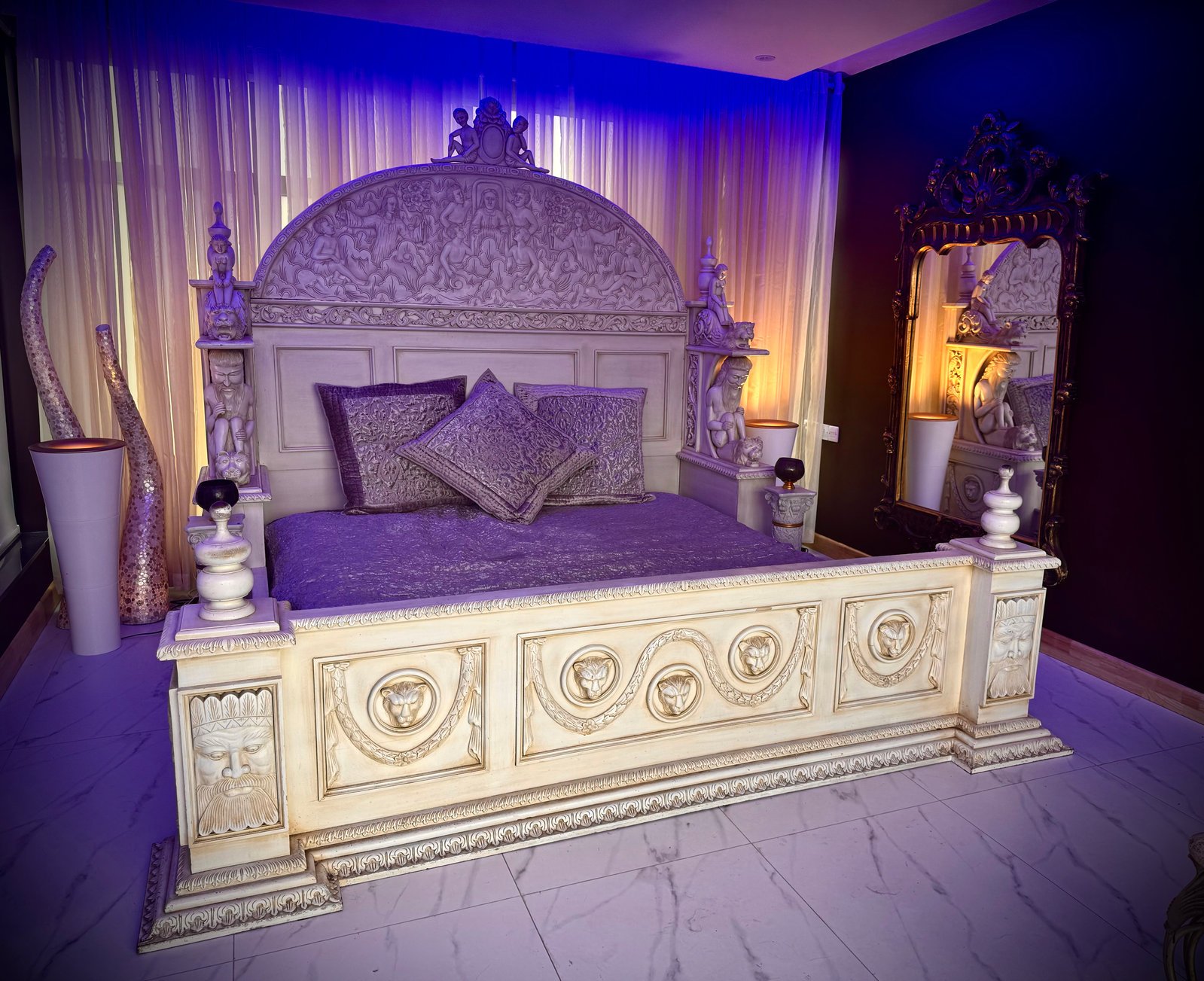
Furniture can add character to a penthouse scene, but it also affects composition and movement. A chair beside a bright window might anchor a portrait; a table may suit a product arrangement. Include these choices in the shot plan and group scenes by room to reduce resets. If the brief needs a clean background, consider how the furniture will appear in frame.
A central address also shapes the production day. Give the team a clear meeting point, share the room plan and allow time for unloading and setup. For a two-location shoot, schedule daylight-dependent scenes first, then place controlled-light scenes in the other space. This keeps the creative plan tied to the location instead of forcing every shot into one lighting style.
Choose a location around the strongest visual requirement, whether that’s window-lit character, repeatable lighting or a mix of both, then check availability →.
Smashy Owl Studios: Film location hire london
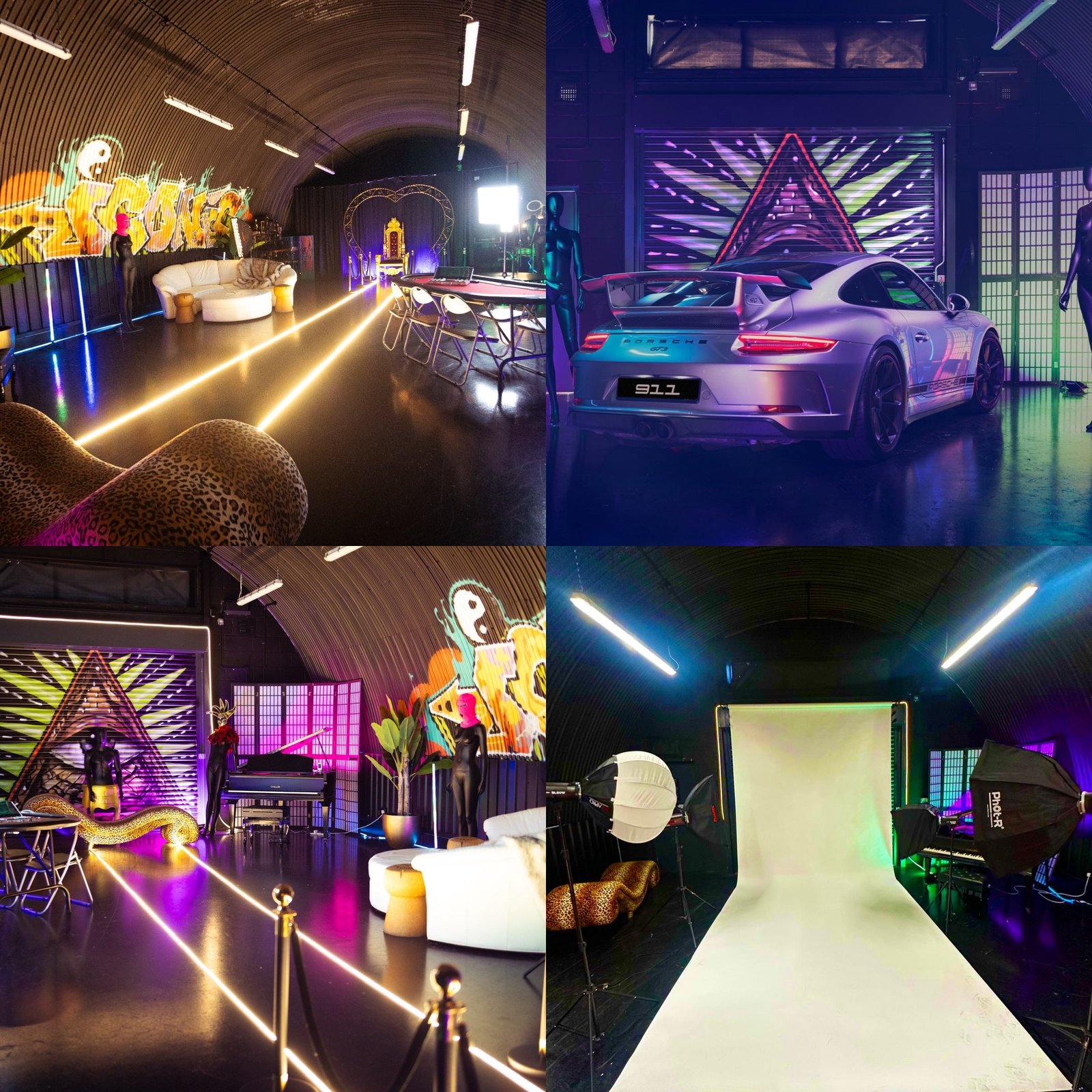
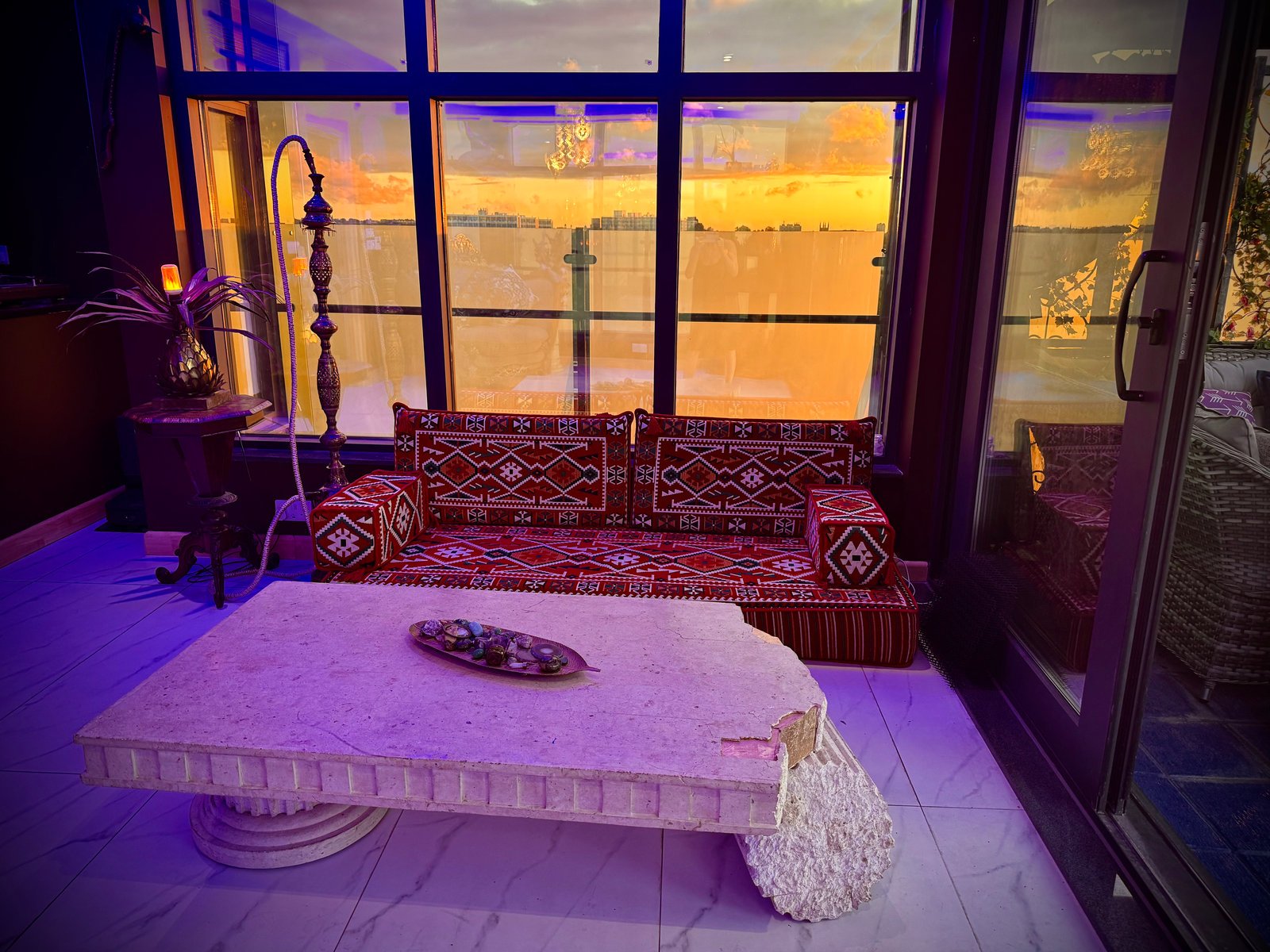
Smashy Owl Studios offers two distinct production settings near Oval station in Camberwell, SE5. Choose the Shangri-La Penthouse for natural daylight, luxury interiors and panoramic London skyline views. For controlled lighting, the fully blackout Shangri-L’Arche offers a contrasting space, with professional lighting included.
Use the penthouse for daylight-led portraits, fashion editorials or lifestyle content. Choose the Arch when your shoot needs a controlled environment, drive-in access or a performance backdrop. You can also plan scenes across both spaces, about 0.5 miles apart. Hourly hire is available; drive-in vehicle shoots have a 3-hour minimum. See current rates on the website.
Smashy Owl Studios hires locations for teams to use with their own creative professionals. To arrange a booking, visit smashyowlstudios.com or email bookings@smashyowlstudios.com.
Shape the lighting around your creative brief
Choosing between a natural daylight penthouse and artificial flash studio hire in London starts with one question: which lighting quality should lead the frame? Give your team a clear creative direction before booking. Identify the essential shot, the atmosphere it needs and how much control the production requires. That brief will guide your location choice more effectively than an equipment list alone.
Smashy Owl Studios offers photo studio hire, film location hire and music video location hire for teams bringing their own creative professionals. Choose a daylight-led interior for an atmospheric look, or a fully blackout setting when controlled lighting matters most. A clear brief helps match the space to your production and gives your crew a focused starting point.
Choose a space where your visual idea can take shape.
Your next strong image starts with the right setting.
Frequently Asked Questions
Which London districts have the best daylight studios?
No single London district guarantees the best daylight; prioritise the room and its windows over its postcode. Listings in Old Street, North West London and South East London include apartment-style shoot locations, while Camberwell and the area near Oval station offer a South London base. Compare window direction, room layout and the daylight available during your planned shoot, then choose the location that fits your scenes and travel needs.
Why do photographers love daylight studios?
Photographers value daylight because it shows how a subject, furniture and background sit together in the actual space. This can make it easier to refine a portrait or editorial composition as the shoot develops. For example, a photographer can move a subject closer to a window and assess the effect directly. That creative flexibility is appealing, though changing conditions may call for a different approach between setups.
What are the typical hourly hire prices for natural-light penthouses and flash studios in London?
Hourly rates depend on the individual London location, booking period and what the hire includes. A penthouse setting and a flash-oriented studio may have different rates, so compare the current hourly price, minimum booking and any conditions around lighting or access. For a useful budget, calculate the full time needed for arrival, setup, shooting and pack-down, rather than comparing headline hourly rates alone.
How do daylight availability and quality in London studios vary by season and time of day?
Daylight hours are shorter in winter and longer in summer, while the sun’s position changes the direction and strength of light through the day. Cloud cover can soften direct sunlight, while clear conditions can create stronger contrast. For a winter shoot, prioritise daylight-dependent scenes earlier in your booking. In summer, plan around the desired window light and keep a consistent setup for scenes that need visual continuity.
Comments