

Creative Space Hire London for Brands and Creators

Updated: Nov 7
The best creative space hire in London is the venue that fits your production, audience and booking period. For creative space hire in London, compare the setting, practical access and agreement terms against what you’re making, whether that’s a shoot, a launch or a workshop.
It’s easy to focus on the look of a space first. But the right fit also needs to work for your team, timings and creative plans. This guide explores what to consider when choosing a London venue, from the atmosphere and layout to the difference between hiring for a project and taking on a longer-term studio agreement. You’ll also see how flexible arrangements can help keep creative spaces connected to the people and businesses shaping London’s creative community. Start with the purpose of your project, then weigh up which environment gives it room to take shape.
Table of Contents
What are the best creative space venues to hire in London?
Choose a venue that suits your project, location and practical needs. For creative space hire in London, compare the setting, access, layout and booking terms before deciding. A fashion shoot, workshop and filmed interview each place different demands on a room, so begin with the activity rather than appearance alone.
Central locations and transport links
For a central London booking, map the journey from the nearest station to the venue entrance. Checking the route from the nearest station to the venue can help collaborators plan their arrival. Share the address and arrival instructions in the call sheet, especially when people travel separately or carry equipment. Note any access arrangements that could affect setup time.
Consider how the surrounding area works for your team and schedule. A fashion shoot may need space for changing and styling, while a workshop needs room for participants to move and take part. Before booking, review the venue’s conditions for noise, capacity, alcohol, catering and decorations. The hire agreement and building restrictions set the applicable terms.
Check the deposit, payment dates and cancellation conditions in the booking agreement before committing. Include these costs and deadlines in your project budget.
Creative spaces across London
London venues range from rooms within commercial buildings to converted spaces and dedicated studios. Compare each venue’s location, layout and permitted use against your project brief. For example, a kitchen or furnished room may suit lifestyle content, while an uncluttered floor may work better for rehearsals or a practical workshop. Consider how the room functions, not just how it looks in photographs.
For creative space hire in London, shortlist spaces by purpose, travel needs and booking time. Separate essential features from optional extras, then compare what each hire includes. This helps you focus your budget on a setting and facilities that suit the production.
Accessibility and affordable booking
Accessible creative spaces are available to hire in London, but building features vary. The Equality Act 2010 is relevant to accessibility requirements for commercial buildings. Assess the route from street entrance to the working area, including steps, lifts and toilet access. Check whether the room layout supports the needs of your team and the activity planned.
To find an affordable option, list your essential requirements before comparing venues. Include the hours needed, room layout and facilities, then consider whether hourly hire and the minimum booking period fit your schedule. Plan setup and pack-down within the hire time. A focused shoot may need a different booking length from a workshop that requires preparation and participant arrival.
Creative venue uses, including shoots, launches and workshops
Creative spaces can support photography, filming, collaboration and content production. Start with your project’s purpose, then decide what the setting needs to provide.
Shoots, launches and workshops
For photography or filming, consider the room’s visual character and how it supports your brief. A fashion team might capture several looks in one setting, while a brand could film interviews and product content during the same booking. For a launch or creative event, plan how people will move through the space and where displays or demonstrations will go.
Workshops need a different plan. Consider how participants will see demonstrations, share materials and move between activities. Draft a simple schedule for arrival, setup, the session and pack-down. This helps you work out the space and hire time your project needs. Explain the intended use when planning the booking, especially if filming and interactive activities are combined.
Hybrid workspaces and collaboration
A studio can bring a team together for planning, reviews or collaborative content sessions. For example, a creative team might use the space for a concept meeting, then film interviews with colleagues. Decide whether you need an area for presentations, a quieter spot for calls or a flexible layout for group discussion.
Plan for remote and in-person contributors before booking. Set an agenda, identify who will join online and arrange the room so everyone can participate. If you’ll move from discussion to filming, allow time to reset the layout between activities.
Makerspaces, facilities and desk hire
Hands-on projects need space suited to their materials and process. For prototyping or craft demonstrations, consider work surfaces, storage and cleanup arrangements. A desk hire may suit an independent artist needing a focused place to develop ideas; a shared workspace may better support collaborative making. Describe the activity clearly so the space’s practical setup matches the work.
List the facilities your session genuinely needs, such as tables, kitchen access or presentation equipment. Distinguish essentials from preferences, then plan how each item will be used. For a short project, check whether the booking period covers setup and pack-down as well as the activity itself. This keeps the workspace practical and the schedule manageable.
If you’re planning a production session, you can discuss a suitable creative setting for your project.
Rent supporting London’s creative community
Workspace rent can support a creative community when it gives artists and small teams a stable place to develop work, share knowledge and build professional connections. Before choosing a studio, consider how its costs and terms fit your practice. A regular base may suit someone making work week by week, while occasional room hire may fit a project with a defined schedule.
Resident communities and shared spaces
Shared areas can make informal contact easier, but their value depends on how you work. A café or lounge, for example, might provide somewhere to meet a collaborator between focused sessions. Check whether communal facilities are part of the agreement, how residents access them and whether they suit your day-to-day routine.
Consider how much privacy and flexibility your project needs. A maker working on a detailed piece may prioritise a dedicated room, while a creative team might value a versatile space for shared sessions. List the areas and facilities you’ll use, then compare them with the booking terms. This helps you choose a space that supports the work, not just one that looks appealing.
Networking and creative community membership
Membership can connect people through shared workspaces, organised sessions or informal introductions. Review the activities on offer and consider whether they match your interests and availability. A photographer seeking collaborators, for example, may value opportunities to meet designers or stylists. Someone working independently may prefer a quieter membership centred on workspace access.
Make collaboration practical. Set a goal for the session, such as developing a concept or planning a shoot. Identify what each contributor will bring, agree on the schedule and leave time to discuss next steps. Clear plans help turn a creative meeting into useful progress on a project.
Creative communities in practice
Creative communities can help members share expertise, develop ideas and present work to new audiences. When assessing a residency or membership, look for clear details about peer contact, mentoring, events and opportunities to show work. Consider which of these would support your next stage, rather than choosing an offering solely for its name or setting.
For example, an emerging artist might prioritise feedback and a place to develop a portfolio, while an established team may seek connections with potential collaborators. Write down the outcome you want from joining, then compare it with the commitment, facilities and activities included. A good fit should support both your creative practice and the relationships you want to build within London’s creative community.
Short-term, flexible creative studio agreements
Creative spaces can be booked for individual productions or longer-term use. Booking periods and access arrangements vary, so set your dates early and choose a hire period that fits your schedule.
Studio sizes and included utilities
Start with the work, then choose a room size that can accommodate people, materials and movement. A private studio in a converted warehouse may suit artists who need room for regular practice or storage. A shared artist studio can offer a different arrangement, with communal workspace and terms shaped around the building.
Studio size affects how comfortably a team can work. Sketch the layout before committing, marking desks, work surfaces, equipment and clear routes through the room. For a maker developing a large piece, the working footprint matters as much as the floor area. For an illustrator, a desk and storage may be the practical priorities.
Read the agreement’s utilities clause before signing. Identify whether electricity, heating, water and internet are included, billed separately or shared between tenants. Ask how charges are calculated and when they’re due. Record these terms alongside the rent, access arrangements and permitted use, so the full cost and responsibilities are clear.
Specialist studios and booking periods
Photography and podcast productions have different needs. A photoshoot may need room for a set, styling and crew movement; a podcast benefits from a quiet setting and a layout that supports conversation. Describe the project and who will be involved before choosing a space. This helps you decide whether the setting suits the production.
For longer commitments, UK commercial property leases typically range from 3 to 25 years, although shorter leases are sometimes available. A short-term agreement can suit artists testing a new practice or teams needing temporary workspace. Check the start and end dates, renewal terms, notice requirements and any responsibility for repairs before agreeing.
There’s no single booking lead time for every photography or podcast session. Dates, setup needs and the number of contributors shape the plan. Set the session date first, then allow time to organise access, prepare the room and coordinate the team. For repeat work, a recurring booking can simplify scheduling; for a one-off project, choose a defined hire period.
Examples of advertised spaces show a range of locations and monthly prices across London.
For a larger named workspace, Studio 2.07 at Limehouse in East London is a 569 sq. ft. artist studio. These examples give prospective tenants a basis for comparing advertised costs and descriptions, but the room’s size, permitted use and agreement terms still need to match the project. Confirm what is included in the monthly price and whether the space can accommodate the work before making a commitment.
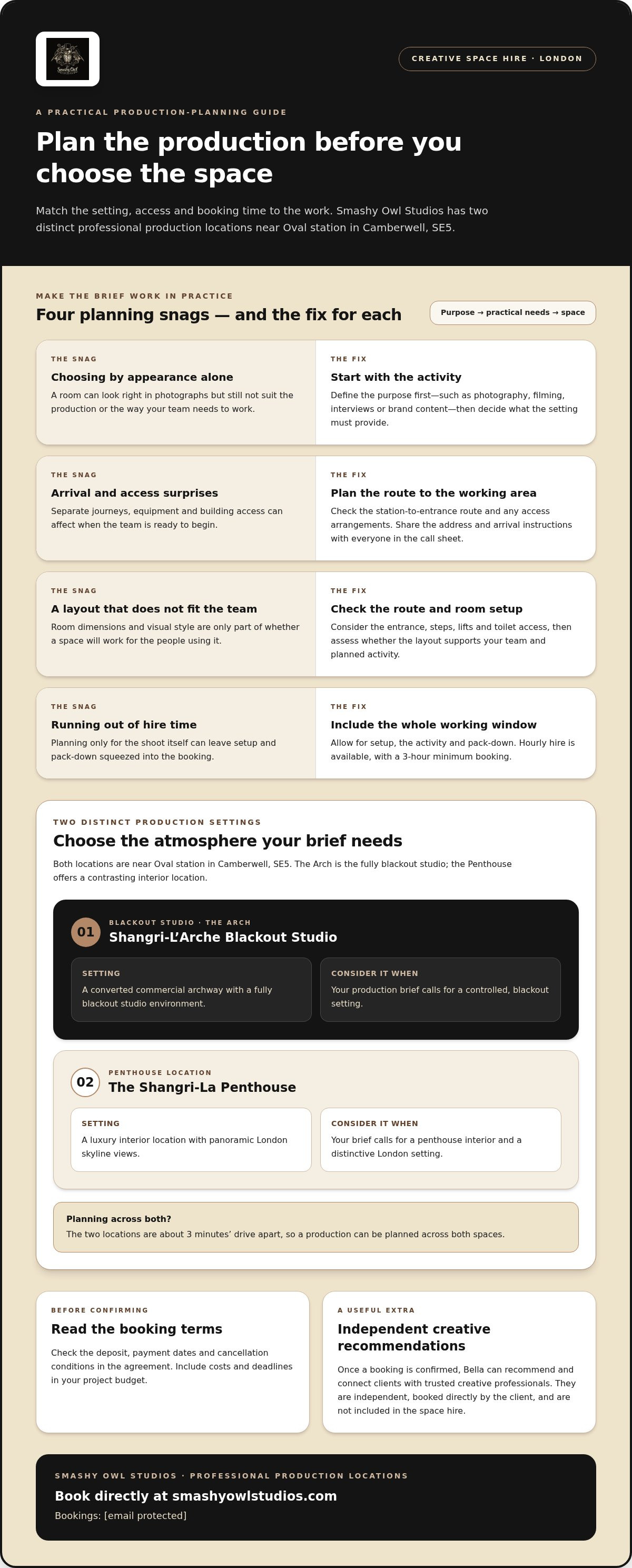
Smashy Owl Studios: Film location hire london
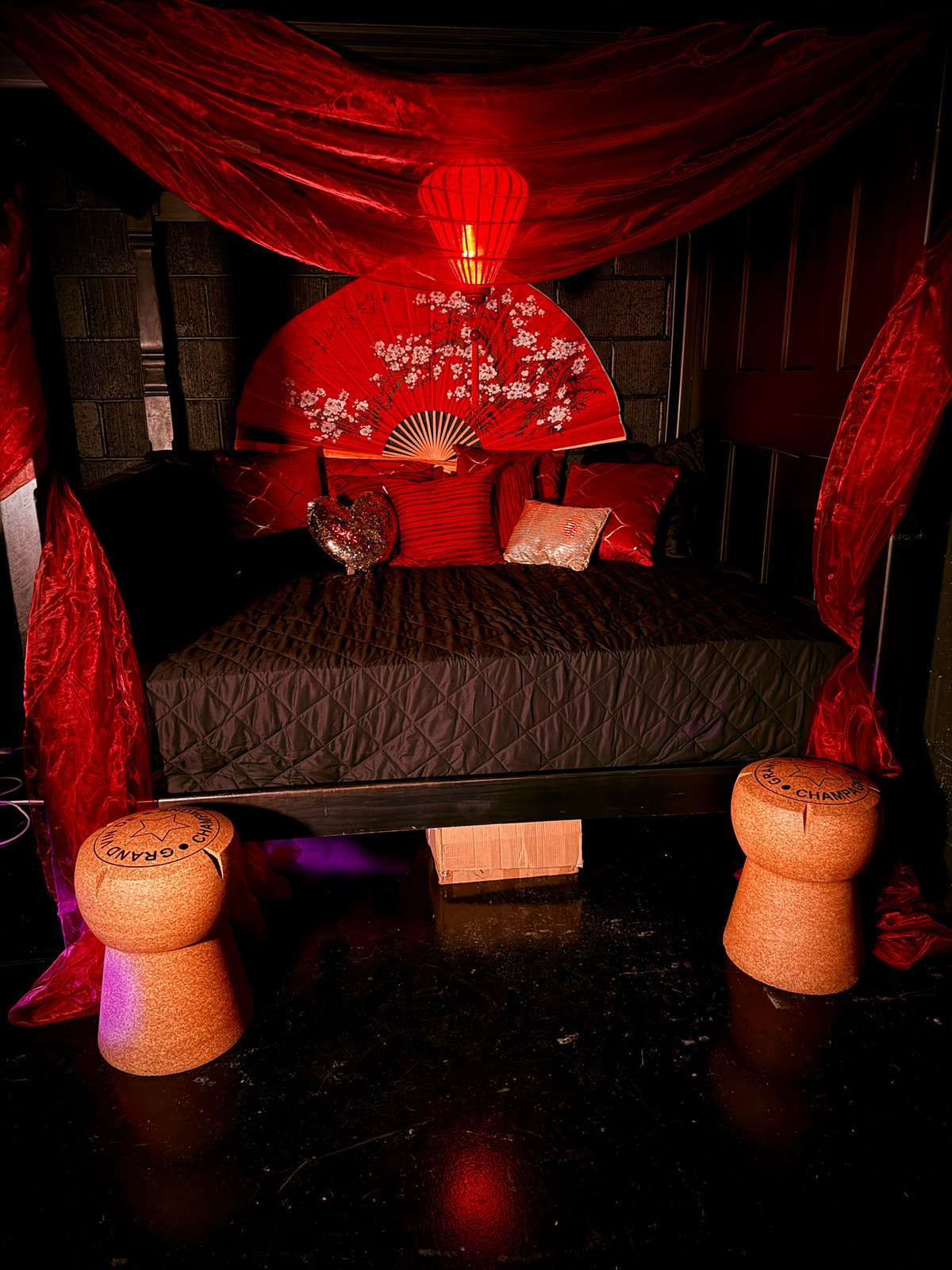
Smashy Owl Studios offers production spaces for film location hire, music videos, content creation and photoshoots. Near Oval station in Camberwell, SE5, its fully blackout Arch suits controlled filming and bold visual concepts. The converted commercial arch includes drive-in vehicle access, a stage and a baby grand piano.
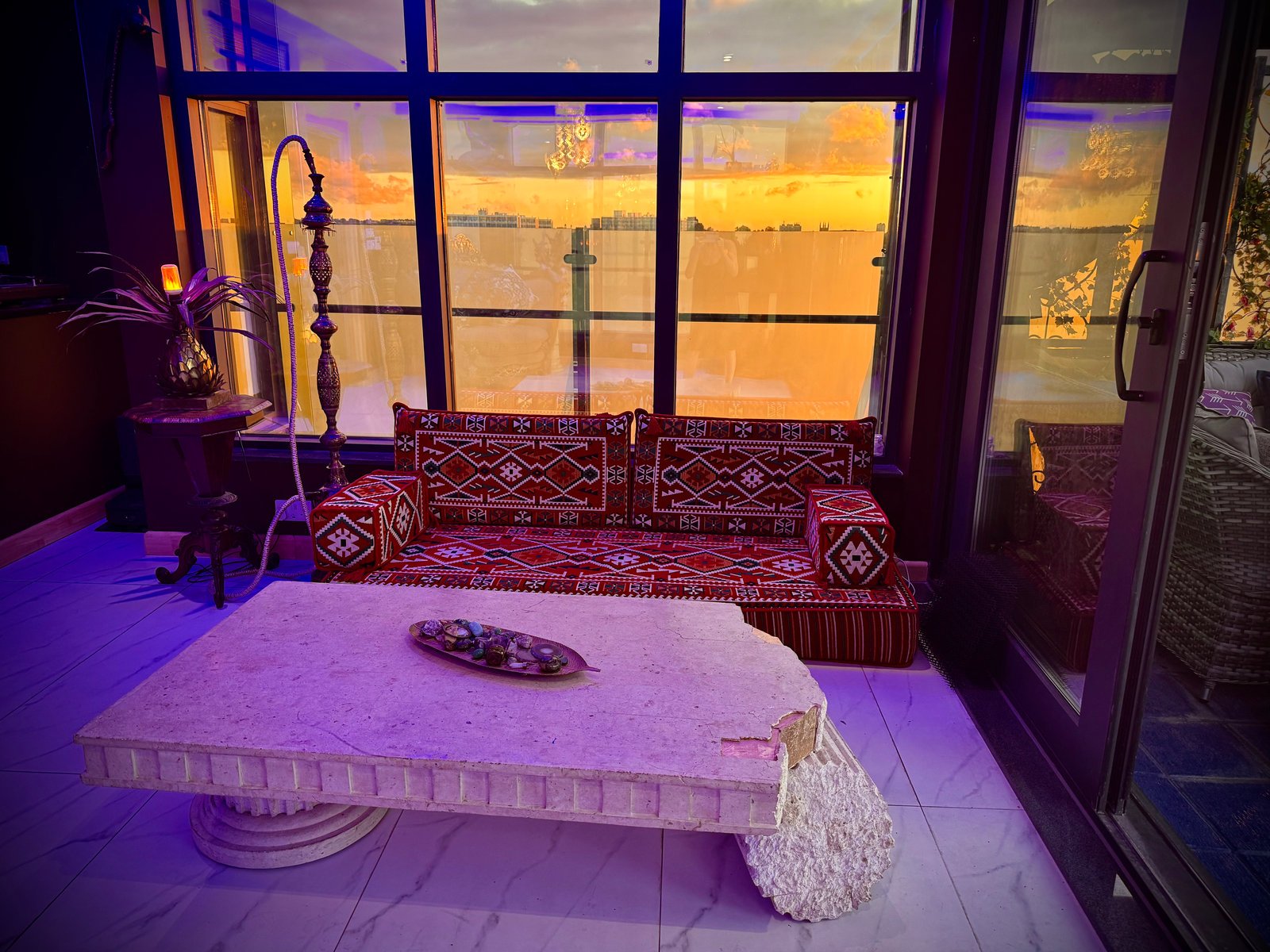
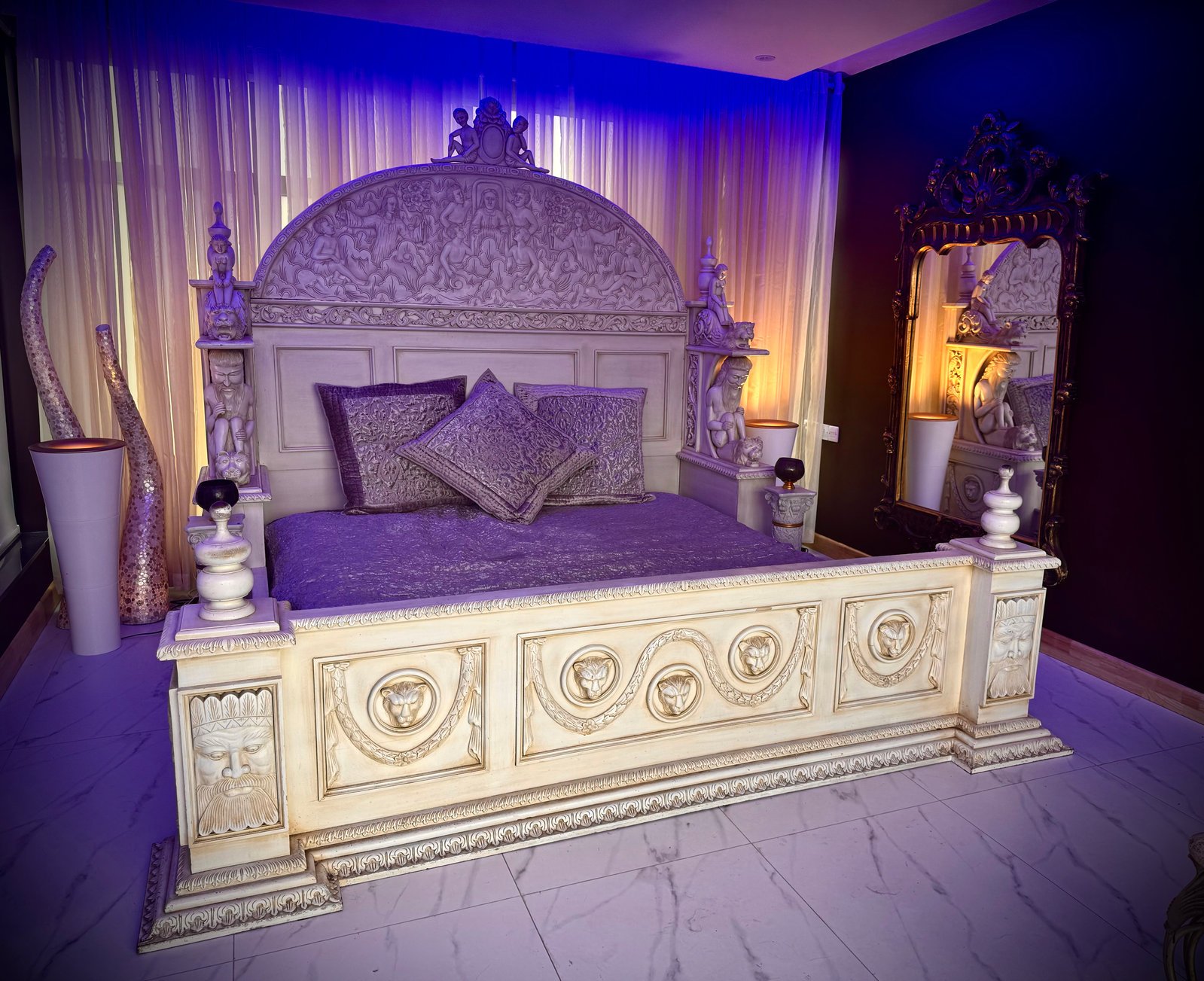
For a contrasting look, the Shangri-La Penthouse brings luxury interiors and panoramic London skyline views. The two locations are about 0.5 miles apart, so a production can plan distinct settings in one shoot. Hire is hourly, with no minimum booking, giving teams an option beyond full-day bookings. You bring your own photographers, filmmakers and crew; after a booking is confirmed, Bella can recommend independent creatives who clients book directly.
Explore the studios and book directly at smashyowlstudios.com, or email bookings@smashyowlstudios.com.
Shape your next creative project
Let your brief guide the choice of space. Think about the images, footage or atmosphere you want to create, then consider which setting will help your team achieve it. A distinctive London location can give a project a clear visual identity and help collaborators focus on the work.
For creative space hire in London, Smashy Owl Studios offers spaces for photography, filming and music videos. Bring your own creative team and use the location as the setting for your production. If you’re still shaping the idea, start with the project’s practical needs and creative direction, then choose the space that feels right for both.
Ready to plan your production? Explore the two studios and book the space that suits your brief at smashyowlstudios.com, or email bookings@smashyowlstudios.com.
Your next idea deserves room to take shape.
Frequently Asked Questions
What types of creative spaces can you hire in London?
London offers photography studios, blackout filming spaces and distinctive interiors for productions. Smashy Owl Studios has two spaces near Oval station in Camberwell, SE5: the fully blackout Arch and the Shangri-La Penthouse. Choose the Arch for controlled lighting and a production-ready backdrop, or the Penthouse for lifestyle imagery with varied interiors. Both are location hire, so you bring your own photographers, filmmakers and creative team.
Which London venues offer creative space hire for workshops, events, photography or rehearsals?
Smashy Owl Studios hires locations in London for photography, filming, music videos and content creation. The studios also suit rehearsals and performance shoots for creative productions. They are production locations rather than general-purpose party or private-event venues. For a workshop or launch connected to creative work, plan around the production use, room layout and your team’s requirements. Explore the studios and share your project outline to choose the right setting.
What facilities and equipment are included with London creative space hire?
Facilities depend on the space. The Arch is fully blackout and includes a stage, baby grand piano, RGB lighting, neon runway, mirror, throne, pole, aerial hoop, white 3x3m Colorama, speaker wall and UV graffiti. Lighting equipment shown in its studio photos is included unless stated otherwise. The Penthouse has luxury interiors and a fully heated rooftop hot tub included with bookings. Bring any additional props or equipment your production needs.
Comments