

Creative Director’s Guide to Shoot Location Approval in London

Updated: Nov 3
What if the most striking location on your shortlist is also the one that makes the shoot harder to deliver? A space can look perfect on a moodboard yet fall short on the shot list, access or capacity. This creative director shoot location approval London guide brings the creative case and production realities together, so stakeholders can see why a location fits the brief and how the shoot will work there.
Approval takes more than a strong image. Decision-makers need a concise rationale, and the production team needs practical details before the booking moves forward. Present both clearly, and it becomes easier to compare options without losing sight of the creative direction.
Use the checklist ahead to assess visual fit, shot requirements, access, capacity and booking arrangements against consistent criteria. You’ll also see how contrasting London studio environments can support different looks, led by the Arch blackout studio and its partner, the Penthouse, two central London studios just 0.5 miles apart. The result is a confident location recommendation that’s compelling on the page and workable on shoot day.
Table of Contents
What creative directors need from a London shoot location proposal
You need to make the visual idea compelling without leaving anyone to discover too late that the location can’t support the shoot. Location approval means agreeing that the setting serves both the creative concept and the plan for capturing it. It’s not simply a vote for the most dramatic room or strongest reference image.
An approval-ready location proposal shows why a setting fits the brief, what the team can create there and which practical requirements shape the shoot. Keep that definition at the centre of your pitch. Creative approval is also distinct from filming permissions: this proposal helps stakeholders choose a setting, rather than advising on permissions or compliance. The broader Filming Location Overview describes how locations contribute to a production, but your proposal should make the case for this location and this brief.
What does a creative director assess first?
Start with the campaign’s visual intent. Name the audience and message, then show how the setting supports them. A polished, sunlit interior might suit a premium lifestyle story; a bold, graphic backdrop could sharpen a youth-focused campaign. Explain the connection rather than relying on labels such as “aspirational” or “edgy”.
Make the visual logic tangible. Describe the colours, textures, available light and compositions that strengthen the brief. Identify the hero image or key scene, then name the supporting frames the space can help deliver. For example, connect a particular background or room to a product close-up, portrait or wide campaign frame. This lets stakeholders picture the outcome without having to interpret a moodboard on your behalf.
Why location approval needs more than a moodboard
A moodboard creates atmosphere, but it doesn’t show how references translate into a real shoot. Pair each important image with a short note explaining what you’re drawing from it, such as a warm colour palette, close framing or contrast between soft fabric and hard surfaces. Then connect that choice to a specific shot or scene in the proposed location.
Bring practical requirements into the pitch from the start. Note the spaces needed, the intended shot sequence and the production factors that could affect your choice, such as access, privacy, capacity or technical needs. Separate confirmed venue details from items still to resolve, so assumptions don’t appear as facts. This makes the proposal persuasive and grounded.
Keep the pack focused: a few carefully annotated references and a clear creative rationale will usually communicate more than a dense collection of images. For wider context on comparing studio spaces and planning a hire, the London photo studio hire guide offers a broader studio-selection perspective.
Use the same discipline when presenting alternatives. For each location, show how it serves the brief, identify its strongest visual opportunities and make the practical trade-offs visible. That gives stakeholders a fair basis for deciding and helps the chosen setting move from an attractive idea to a workable shoot location.
How to assess a London shoot location against the creative brief
Compare every shortlist option against the same brief, not just its most flattering photograph. A consistent framework helps you see which location supports the creative idea and which still has practical questions to resolve. For this creative director shoot location approval London guide, pair a simple score with specific evidence: a high visual score should never conceal a gap in access, capacity or technical suitability.
Match the London location’s visual character to the concept
Describe the intended look in terms the team can picture: editorial, luxury lifestyle, music video or branded content. Then assess whether the location’s backgrounds, colour palette, textures and light support that direction. Consider the shot list too. Does the setting provide distinct frames for the hero image and supporting shots, or would every image feel as though it came from the same angle?
London’s varied interiors and skyline settings can help shape a campaign’s sense of place, but include those details only when they serve the intended look. Record what you can actually see in the location references, and separate that evidence from assumptions about how a space might appear on shoot day.
Compare production fit without losing the creative idea
Score each candidate on the same scale, such as 1 for a weak fit and 5 for a strong fit. Add brief-specific evidence and note unanswered questions beside every score. This keeps the creative rationale visible while making practical gaps easy to spot.
Consistent criteria turn a location shortlist into a fair comparison, showing both the creative fit and the practical questions behind each choice. Keep the evidence specific: refer to location details, references or booking information, not a general impression. Compare planned activities and team size with stated details, and flag anything unresolved rather than treating it as fact.
For wider production-location considerations, the London film location guide can help frame the practical side of your assessment. If a studio near Oval station fits the brief, you can also explore London studio locations and compare them using the same criteria.
What to include in a creative director’s London location approval pack
A strong approval pack makes the decision easy to scan and difficult to misread. Lead with a one-page summary stating the concept, intended audience, location rationale and desired outcomes. Tell stakeholders what the location will help the team create, not just what it looks like. This creative director shoot location approval London guide approach keeps the creative case connected to the practical plan from the first page.
Build a visual case stakeholders can scan
Show the proposed space and its purpose. Pair each reference image with a short caption linking its relevant colour, texture, light or composition to a planned shot. Keep the focus on how the location serves the brief, rather than asking stakeholders to infer the connection. Separate must-haves from welcome extras, so a desirable feature doesn’t distract from the location’s essential fit.
Make practical details clear before sign-off
Include the information the team needs to make a considered choice: intended team size, shoot format, timing needs, areas required and any vehicle requirement. Add confirmed venue and booking details. Mark open decisions clearly, and don’t present permissions, insurance or other compliance information as settled facts unless they’ve been established through the appropriate process.
Use this checklist to assemble the pack:
Creative summary: concept, audience, campaign message and intended outcomes.
Location rationale: why each proposed space supports the visual direction and shot plan.
Shot list: key hero images or scenes, followed by the essential supporting shots.
Annotated references: selected images with brief notes explaining what each reference informs.
Proposed spaces: identify the specific rooms or areas relevant to the planned shots.
Practical requirements: team size, format, timing, access needs and any vehicle requirement.
Comparison summary: show how each option meets the brief using the same criteria.
Booking details: record the hire arrangements and clearly label any details still to resolve.
Open decisions: list outstanding questions, who needs to resolve them and what decision is needed for approval.
Keep the main summary to one page, then place supporting references and practical notes after it. Stakeholders should be able to grasp the recommendation quickly and find the evidence without searching through a long deck. Use labels such as “essential”, “preferred” and “to resolve” to distinguish firm requirements from creative flexibility.
Before sharing, check that every proposed space links to at least one shot or scene, and that the practical notes reflect the actual plan. If the team size or format changes, update the pack rather than letting an earlier assumption stand. The result is a focused approval document: visually persuasive, transparent about what’s known and clear about the decisions still needed before the booking can progress.
How to handle common objections to a London shoot location
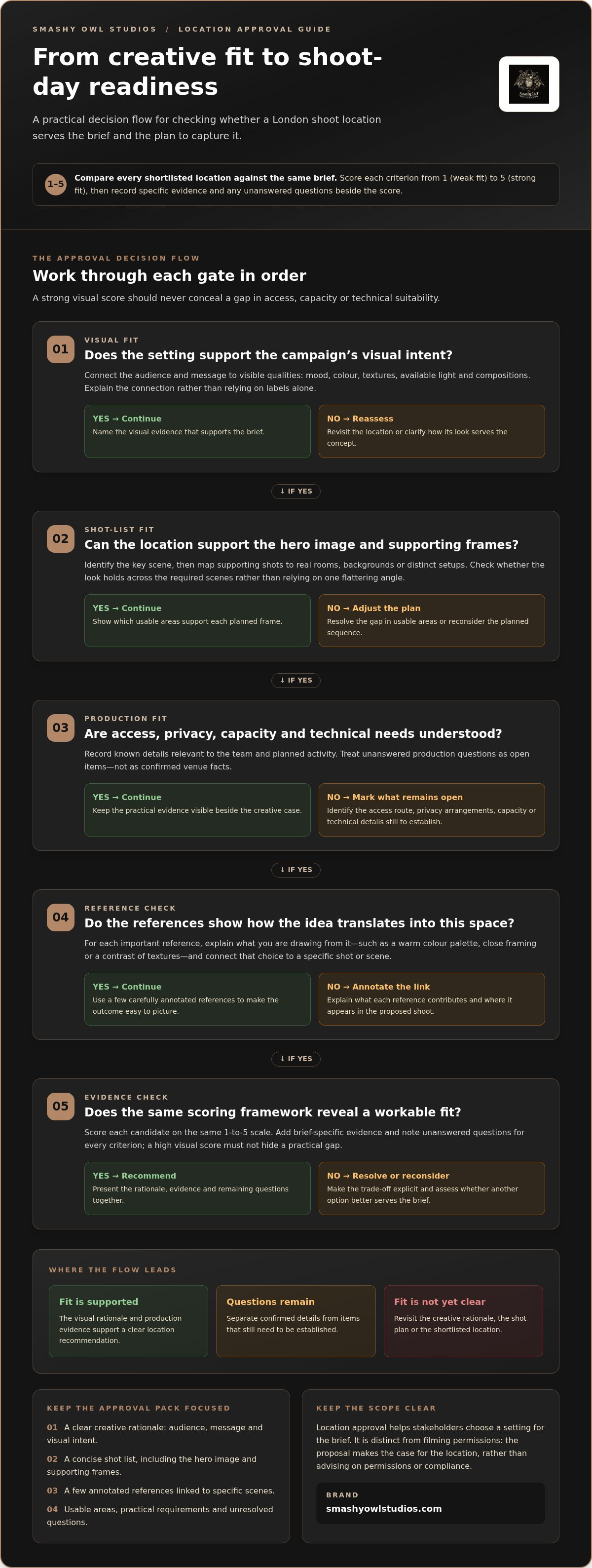
An objection isn’t a rejection. It’s a signal that someone needs more evidence, a clearer connection to the brief or a practical concern addressed. Respond to the actual concern rather than defending a location simply because it looks impressive. Visual appeal alone doesn’t prove production suitability.
Use this response process to keep the conversation constructive and the decision grounded:
Hear the concern. Let the stakeholder explain what feels uncertain, whether it’s the visual tone, space, access, team size or a shoot requirement.
Identify its cause. Clarify what sits behind the objection. “It doesn’t feel right” may mean the references don’t match the campaign audience, or that the proposed shots aren’t clear.
Show relevant evidence. Return to the brief and point to location details, reference images, stated capacity or included features that answer the specific concern.
Offer a practical alternative. Suggest a different shot approach or, if it addresses the issue, compare a second location or visual direction against the same brief.
Respond when stakeholders question visual fit
Bring the discussion back to the intended audience, campaign message and hero image. If the concern is that a space feels too theatrical for a restrained brand story, show the reference that explains the intended framing and identify which visible features support it. Be precise about what the location contributes. Don’t claim a look is achievable based on an assumption about lighting, styling or set changes.
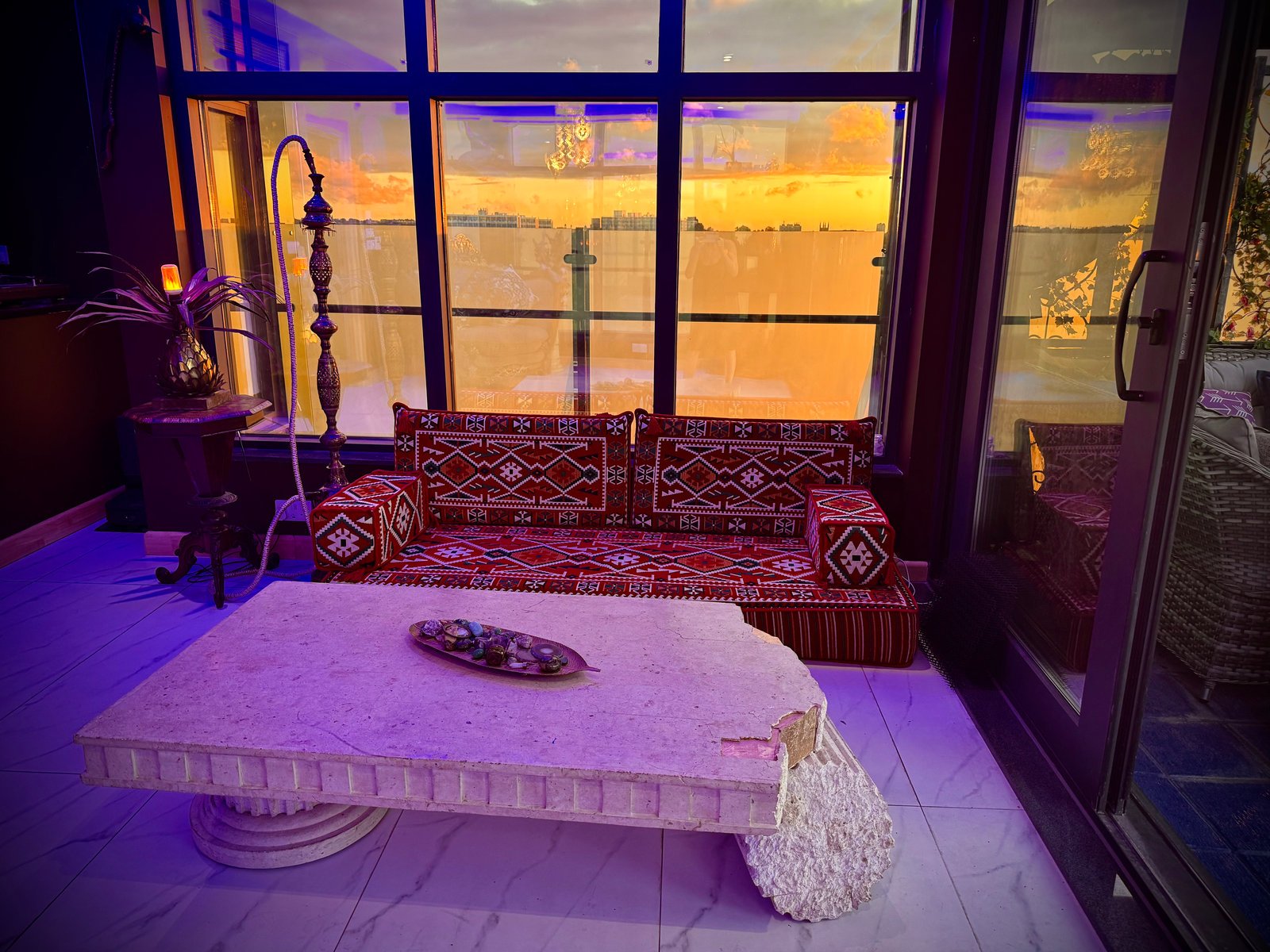
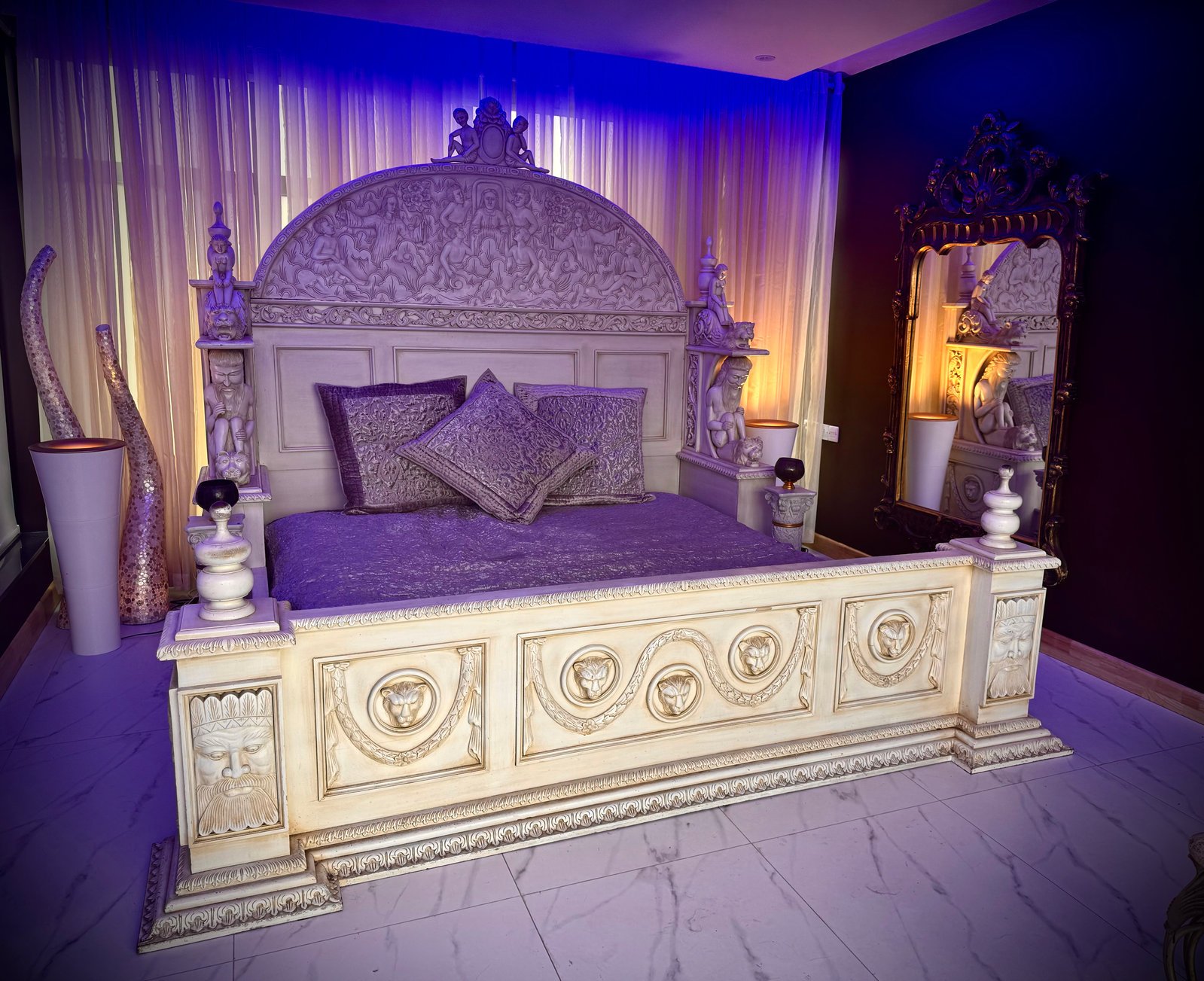
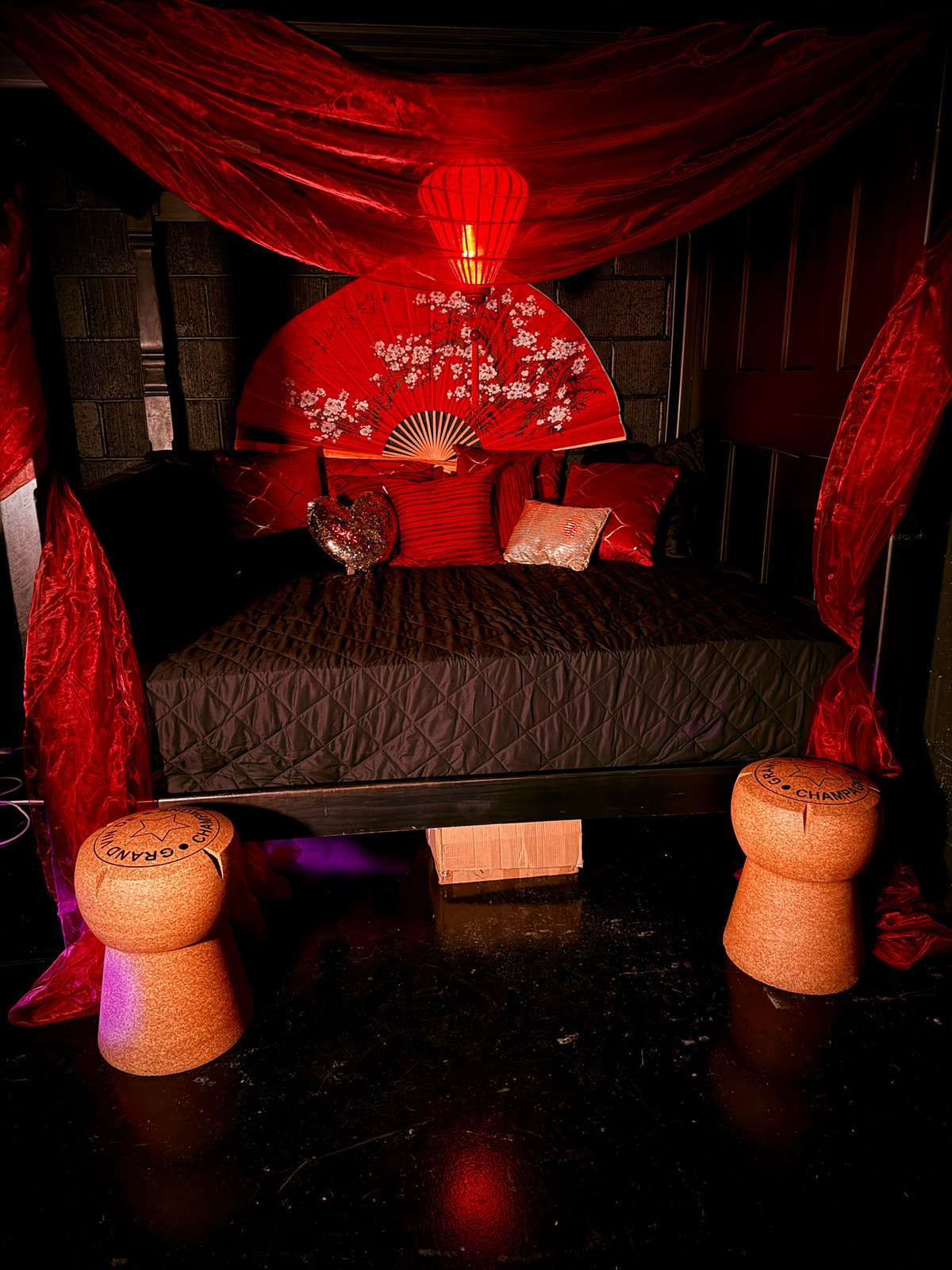
If the brief could support a contrasting direction, make the comparison meaningful. The Arch is our blackout studio for bold, controlled looks, while the Penthouse offers luxury interiors, panoramic skyline views and a fully heated rooftop hot tub included with bookings. These are distinct visual starting points, not interchangeable backdrops. Compare them only if the campaign could credibly use either direction.
Respond when stakeholders question production practicality
Answer operational concerns with confirmed details, then state plainly what remains unresolved. The Arch includes up to 20 people, with larger groups available on request. Lighting equipment shown in its studio photos is included in the hire unless otherwise stated. These facts can support a practical case, but they don’t replace a check against the team’s actual plan. Penthouse bookings include up to 6 people; for additional guests, see current rates on our website.
For a vehicle shoot at the Arch, drive-in access is an optional upgrade (see current rates on our website), with a minimum 3-hour booking, and must be requested before booking to confirm suitability. Don’t imply that every vehicle will fit or that the access arrangement is automatic.
Keep the creative director shoot location approval London guide principle in view: resolve concerns with evidence, not reassurance alone. If the first option still leaves a genuine gap, compare a second studio against the brief and document the trade-off. Explore the London studio options to assess which visual environment best supports your shoot.
Presenting Smashy Owl Studios as an approval-ready London shoot location
Once stakeholders agree on the creative direction, make the venue choice tangible. Smashy Owl Studios has two distinct studios near Oval station in Camberwell, SE5, well connected to Vauxhall and just 0.5 miles apart. Start with the Arch, our blackout studio, then show how each studio answers the approved concept and shot requirements. If the production needs contrasting looks, their proximity can support a two-location plan. Discounted rates are available when booking both studios together.
Choose the studio look that supports the approved concept
The Arch is our fully blackout studio, with a golden throne, neon runway, working and tuned baby-grand piano and aerial hoop. These distinctive elements can support a bold, controlled visual direction. Lighting equipment shown in the studio photos is included in the hire unless otherwise stated. Drive-in vehicle access is optional, not a standard inclusion.
For a different mood, Shangri-La Penthouse pairs luxury interiors with panoramic skyline views and a fully heated rooftop hot tub included with bookings. Build the approval case around the brief: explain which features connect to the planned frames, rather than presenting a list of amenities without a creative rationale. Keep each studio’s details separate so stakeholders can compare like with like.
Turn approval into a straightforward booking plan
After the location is approved, set out the intended studio, team size, shoot requirements and preferred timing. Clients bring their own team; once a booking is confirmed, Bella can recommend independent photographers, crew and models from her network. Both studios are open 24 hours a day, 7 days a week. Overnight and out-of-hours bookings are available by prior arrangement, subject to availability. The Arch takes up to 20 people, with larger groups available on request; see current rates on our website.
Penthouse rates vary by day and time, and bookings include up to 6 people. See current rates on our website.
For vehicle work at the Arch, drive-in access is an optional upgrade (see current rates on our website), with a minimum 3-hour booking, and must be requested before booking to confirm suitability. Avoid treating vehicle access as automatic or assuming that a particular vehicle will fit.
Use the London content creation studio guide for broader creative-space context if your project needs more than a single setting. Then bring the recommendation back to the brief: name the chosen look, the required space and the booking details that support the plan. That keeps the decision clear and helps the team move from creative sign-off to the next production step.
For a project that could benefit from either visual direction, explore the London studios and shape your location choice around the concept, shot list and practical needs.
Move your approved concept towards its next creative step
Once the location decision is made, use it to sharpen the production plan. Confirm which visual direction the team is pursuing, keep the chosen space tied to the intended shots, and make any remaining decisions visible to the people who need to act on them. That clarity helps protect the idea as it moves from approval into planning.
This creative director shoot location approval London guide is most useful when it leads to a confident choice, not just a polished proposal. Let the brief guide the final details, and choose a setting that gives the creative team room to bring the concept to life. If the project could benefit from contrasting looks, consider how different spaces might support distinct moments within the same campaign.
Explore Smashy Owl Studios and find the right London setting for your brief. Your next creative direction can start with a space that feels made for the story you want to tell.
Frequently Asked Questions
What should a creative director look for when approving a shoot location in London?
Look for a clear match between the campaign’s message, its audience and the images the location can help create. In this creative director shoot location approval London guide, assess the space as part of the visual idea, not as a backdrop in isolation. Consider whether the framing feels credible for the brand and whether the team can make the required shots without relying on untested assumptions.
How do you present a shoot location to a creative director?
Present a short visual argument: explain the concept, identify the strongest frames and show how the setting supports them. Use a few relevant references with captions that clarify the link, rather than a large moodboard without context. Include the proposed areas and practical requirements, then make the decision you need clear. For example, ask stakeholders to approve the location direction while keeping any explicitly labelled production questions open.
Can one London shoot location work for several creative concepts?
Yes, if its available backgrounds and features genuinely support each concept. A location with distinct rooms or visual elements may help a team create varied content, but don’t assume that changing the camera angle alone will make every look feel different. Map each concept to a specific area, composition and shot. If one direction depends on a feature the space doesn’t offer, treat it as a separate location requirement.
What should a location approval checklist include?
Include the campaign concept, intended audience, hero shots, relevant spaces, team size, shoot format and timing needs. Add the location’s stated capacity and access details, any specialist requirement, known booking information and unanswered questions. Mark each item as confirmed, essential or still to resolve. This gives stakeholders a quick way to distinguish a genuine fit from an attractive possibility that needs more information before a decision.
How do you compare shoot locations against a creative brief?
Use the same criteria for each option, then record evidence beside every judgement. Note which space supports a hero portrait, whether the planned sequence uses more than one background, and what access or technical details remain unresolved. Keep ratings tied to the brief rather than personal preference. This makes trade-offs easier to discuss and helps prevent a visually striking image from dominating the decision.
Can you hire two Smashy Owl Studios locations on the same day?
Yes. The Arch and the Penthouse can both be hired on the same day, making it possible to plan contrasting visual directions within one production schedule. They’re 0.5 miles apart, and discounted rates are available when booking both together. Assign each set of shots to the studio that best supports its look, and include the move between locations in the schedule.
Is drive-in vehicle access available at the Arch?
Yes, drive-in vehicle access is available at the Arch as an optional upgrade; see current rates on our website. There is a minimum 3-hour booking, and it must be requested before booking to confirm suitability. Don’t assume every vehicle will fit. Include the vehicle requirement in your planning early, alongside the intended shots.
Comments