

Certified Aerial Hoop Studio Hire vs Unverified Venue Rigging: A London Guide

What if the venue with the strongest visuals leaves important production questions unanswered? When comparing certified aerial hoop studio hire vs rigging in unverified venues, the deciding factor is not just the backdrop. It is whether the rigging arrangement, inspection evidence and responsibilities are clear for the activity you are planning.
That uncertainty is understandable. A venue can look ready to shoot without its appearance proving that a rigging point is suitable for aerial work. Hiring a studio gives your production access to a space, but it does not automatically provide evidence of rigging certification or aerial instruction. Clear documentation helps your team plan with greater confidence and understand who is responsible for each part.
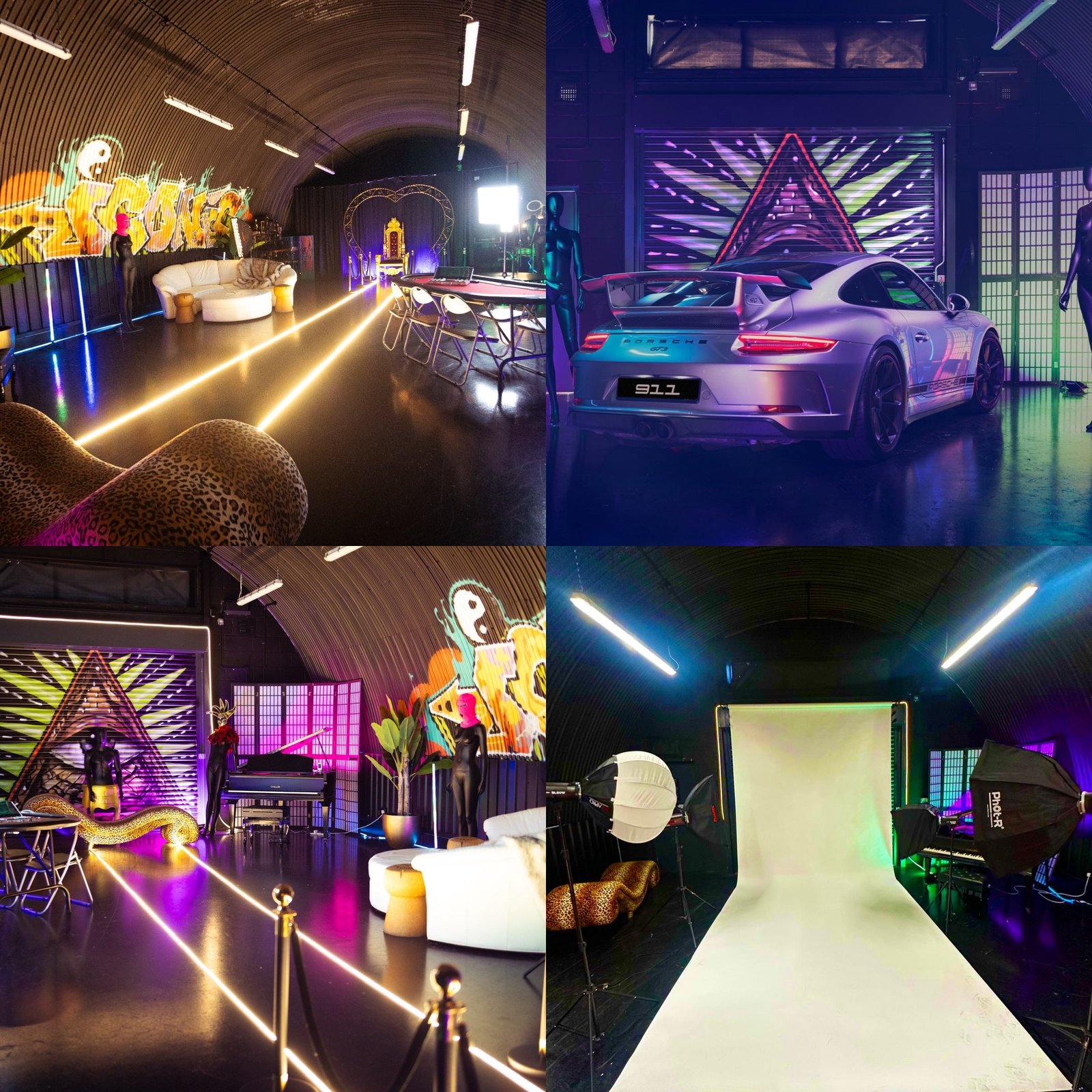
This guide compares the evidence, responsibilities and practical production needs to consider before booking an aerial hoop location in London. It explains how to distinguish venue hire from evidence of rigging suitability, and what information matters for your shoot. Smashy Owl Studios’ Arch blackout studio includes an aerial hoop and professional lighting.
Table of Contents
Aerial hoop studio hire vs venue rigging: what is actually being compared?
What rigging evidence and responsibilities should an aerial hoop brief cover?
How does a documented aerial hoop studio compare with an unverified venue?
A practical London checklist for planning an aerial hoop shoot
Aerial hoop studio hire at Smashy Owl Studios: bring the concept to life
Aerial hoop studio hire vs venue rigging: what is actually being compared?
These are related but different parts of a shoot plan. Studio hire gives your production access to a space and its stated features. Rigging provision concerns the equipment and attachment arrangement used to support an aerial hoop. Neither the word “studio” nor the presence of a hoop tells you what evidence exists for the rigging or which activities it is intended to support.
This distinction matters in London, where a dramatic interior may suit the camera but leave practical questions unanswered. A visible hoop, exposed beams or a polished performance space can shape the look of a scene. Appearance alone, however, does not establish that an attachment point is appropriate for the planned use. When comparing certified aerial hoop studio hire vs rigging in unverified venues, assess the visual offer separately from the documentation and responsibilities behind the activity.
The production team defines the creative brief, including whether the shoot involves a held pose, a sequence of movement or changes in camera position. The performer can explain their intended practice and needs. The venue’s role concerns the space and any rigging information it provides. A rigger or other suitably qualified professional may have a separate role in assessing or installing an arrangement. Studio hire alone does not mean the venue supplies aerial instruction or production crew.
What does certified aerial hoop rigging mean?
“Certified” can refer to different things: a document relating to an item of equipment, an inspection record or an assessment of a particular rigging arrangement. It is not a single, universal venue hire certificate. Read the document itself and note what it covers, who issued it, and whether it relates to the equipment, attachment point, site and intended activity. A record for a hoop or accessory is not automatically an assessment of the building connection or proposed use.
The general overview of Aerial rigging can help explain common equipment and considerations, but it is not a substitute for relevant UK guidance or project specific technical advice. Treat broad certification language as a starting point for understanding the evidence, not as a conclusion about suitability.
Why does venue rigging need a production-specific assessment?
The same hoop and attachment may be used differently depending on the planned movement, connection and surrounding structure. A static display or controlled pose is not the same as dynamic aerial movement, which can place different demands on the system. A document describing equipment alone may not answer whether a proposed set-up suits a particular shoot. Share the intended activity clearly rather than relying on a venue photograph or broad label.
Site-specific rigging suitability is the assessment of whether the equipment, attachment point and structure are appropriate for the intended activity at that location. This keeps the discussion focused on documented information and actual use, rather than assumptions. Missing or unclear evidence does not prove a venue is unsafe. It means the production does not yet have enough information to make a well-informed comparison. A useful brief connects the creative concept with the performer’s needs, filming conditions and rigging information relevant to the specific plan.
What rigging evidence and responsibilities should an aerial hoop brief cover?
A clear brief makes technical conversations more useful. Instead of relying on a broad claim such as “certified”, identify what information relates to the hoop, its attachments and the proposed set-up. The aim is to understand what has been assessed, by whom, for which activity, and who holds the relevant records. Different parties may hold different information, so record who is responsible for providing, reviewing and acting on each item.
Documentation is a planning aid, not a substitute for a competent assessment. UK requirements can depend on the equipment and circumstances. Check current Health and Safety Executive guidance and seek specialist advice on whether the Lifting Operations and Lifting Equipment Regulations 1998 (LOLER) apply to the specific arrangement. Do not assume one document or inspection interval applies to every aerial hoop set-up.
Which records and details help clarify a rigging arrangement?
Depending on the arrangement, useful information may include equipment identification, inspection history, the condition of relevant components, any stated working load information and details of the attachment point. Note the date and scope of each record, along with the equipment or location it describes. A document for a hoop does not automatically assess a sling, connector, anchor or building structure.
Ratings are not interchangeable. Working load information for one component does not establish the capacity or suitability of the whole chain, and a component’s stated limit is not proof that the site attachment has been assessed for the intended use. For general sling care context, OSHA guidance on safe sling use discusses inspection and use, but it comes from a US agency and is not UK legal guidance. Use current HSE material for UK context, and leave legal interpretation, certification claims and inspection frequencies to appropriately qualified specialists.
Keep a simple record of who holds each document and what it covers. The venue may hold information about its space; an equipment owner, rigger or inspector may hold other records. Treat these as planning questions, not assumptions about who will supply or approve a particular assessment.
How should a production describe planned hoop movement?
Be specific before comparing locations. Include the number of performers, the movement planned, whether there will be rehearsal and how the action will be filmed. A held pose, repeated sequence and dynamic movement are different uses. Camera proximity, position changes and the order of takes can also affect how the activity is organised on set.
Intended use matters because the movement, participants and filming conditions shape what the relevant equipment and attachment assessment needs to address. Dynamic loading can differ from a static load, so do not treat a still image or simple load figure as a complete description of the planned activity.
This clarity makes certified aerial hoop studio hire vs rigging in unverified venues a practical comparison of evidence, responsibilities and production needs. To see a studio for your shoot, explore aerial hoop studio hire at Smashy Owl Studios.
How does a documented aerial hoop studio compare with an unverified venue?
Compare what each location can demonstrate, not what its photographs suggest. Here, “documented” means relevant information is available for review; it does not automatically establish that every activity is suitable. “Unverified” means the evidence is missing or unclear, not that the venue is unsafe. This distinction keeps the decision fair and focused on what your production needs to know.
Use the comparison as a planning tool. Details vary by space and project, so record what is evidenced, what remains unclear and how each factor affects the shoot.
Comparison factor
Documented information available
Information missing or unclear
Rigging documentation
Records can be reviewed for their scope, date and relevance to the equipment, attachment and planned activity.
The production may have less information to assess whether the proposed arrangement matches its intended use.
Responsibility clarity
It may be easier to identify who holds relevant records and which parties are involved in assessing the set-up.
Roles may need clarification before the team can plan around the proposed arrangement.
Creative setting
The visual environment can be assessed alongside practical information relevant to the shoot.
A striking look may be clear while rigging information remains unresolved.
Access and coordination
Load-in arrangements, crew space and filming logistics can be compared with the production schedule.
Unclear access details may make timing and coordination harder to plan.
Which comparison criteria matter beyond the look of the location?
Start with the intended activity and the evidence that relates to it. Then consider who holds the information, how responsibilities are described and whether the space supports the planned filming approach. A dramatic backdrop can be a creative advantage, but it does not provide evidence about a hoop, attachment point or rigging arrangement.
Keep London logistics as a separate line in your comparison. Note vehicle access, the load-in route, the distance from unloading to the shooting area, space for kit and how the team will coordinate arrival and set-up. These factors affect production flow, but they do not establish rigging suitability. Compare lighting conditions, camera positions and the room needed for the planned movement as well.
When might a creative studio suit an aerial hoop shoot?
A controlled blackout environment can help the creative team shape contrast, colour and focus without relying on changing daylight. It can suit a deliberately designed image, from a tightly framed performance moment to a stylised music video sequence. Assess that visual flexibility separately from the evidence and assessment relevant to the planned aerial activity.
Studio hire provides the space and its stated features; it is not a claim of rigging certification or aerial instruction. For broader production planning considerations, the London film location hire guide explores how to assess location needs. This makes certified aerial hoop studio hire vs rigging in unverified venues a more useful comparison: weigh the look, access and production fit alongside the documentation relevant to your shoot.

A practical London checklist for planning an aerial hoop shoot
A strong plan starts with the image you want to create, then connects that vision to the performer’s needs, relevant rigging information and the realities of getting a production on set. Use the same sequence for each London location you consider. This keeps creative choices and practical questions visible without treating an attractive space as evidence of suitability.
What should the aerial hoop production brief include?
Give the brief enough detail to make the conversation specific. Describe the concept, planned movement and number of performers, then set out the camera coverage and filming conditions. A close-up sequence, wide performance shot and repeated takes can have different space and scheduling needs. Include rehearsal requirements, lighting intentions and any limits the team needs to plan around.
Define the concept. Note the intended look, deliverables and essential shots, such as a full-length sequence or close details of the hoop.
Describe the activity. Record the planned movement, performers involved, rehearsal needs and any changes in activity during the shoot.
Set out filming conditions. Include camera positions, movement, lighting approach and the space needed to capture each shot.
List rigging questions. Identify the equipment and attachment information relevant to the plan, the documentation the production needs to review, and who holds each record. Keep questions open where the applicable assessment or requirements need specialist input.
Plan access and load-in. Note vehicle access, unloading arrangements, the route into the studio, kit movement and any space needed for the team to prepare.
Build the schedule. Allow time for arrival, set-up, briefing, rehearsal, filming and planned changes. Share the sequence with the people responsible for the relevant production and aerial decisions.
How can a team compare locations consistently?
Use one comparison sheet for every space, with the same evidence, access and creative-fit criteria. This makes certified aerial hoop studio hire vs rigging in unverified venues a more grounded planning exercise: compare what information is available for the intended activity, how clearly responsibilities are described and whether the setting supports the concept.
Evidence: Record the documents reviewed, their scope and date, plus any outstanding questions.
Responsibilities: Note who holds relevant information and which roles still need clarification.
Production fit: Compare access, load-in, lighting, camera coverage, rehearsal space and schedule needs.
Separate confirmed details from assumptions in your notes. For example, write “vehicle access described by venue” rather than assuming every vehicle can reach the shooting area. A distinctive setting can elevate the frames, but visual appeal and rigging information answer different questions. The unique London shoot location guide offers further inspiration for weighing creative character alongside production considerations.
Once your brief and comparison criteria are ready, explore the London studio spaces and consider how each setting could support your planned shoot.
Aerial hoop studio hire at Smashy Owl Studios: bring the concept to life
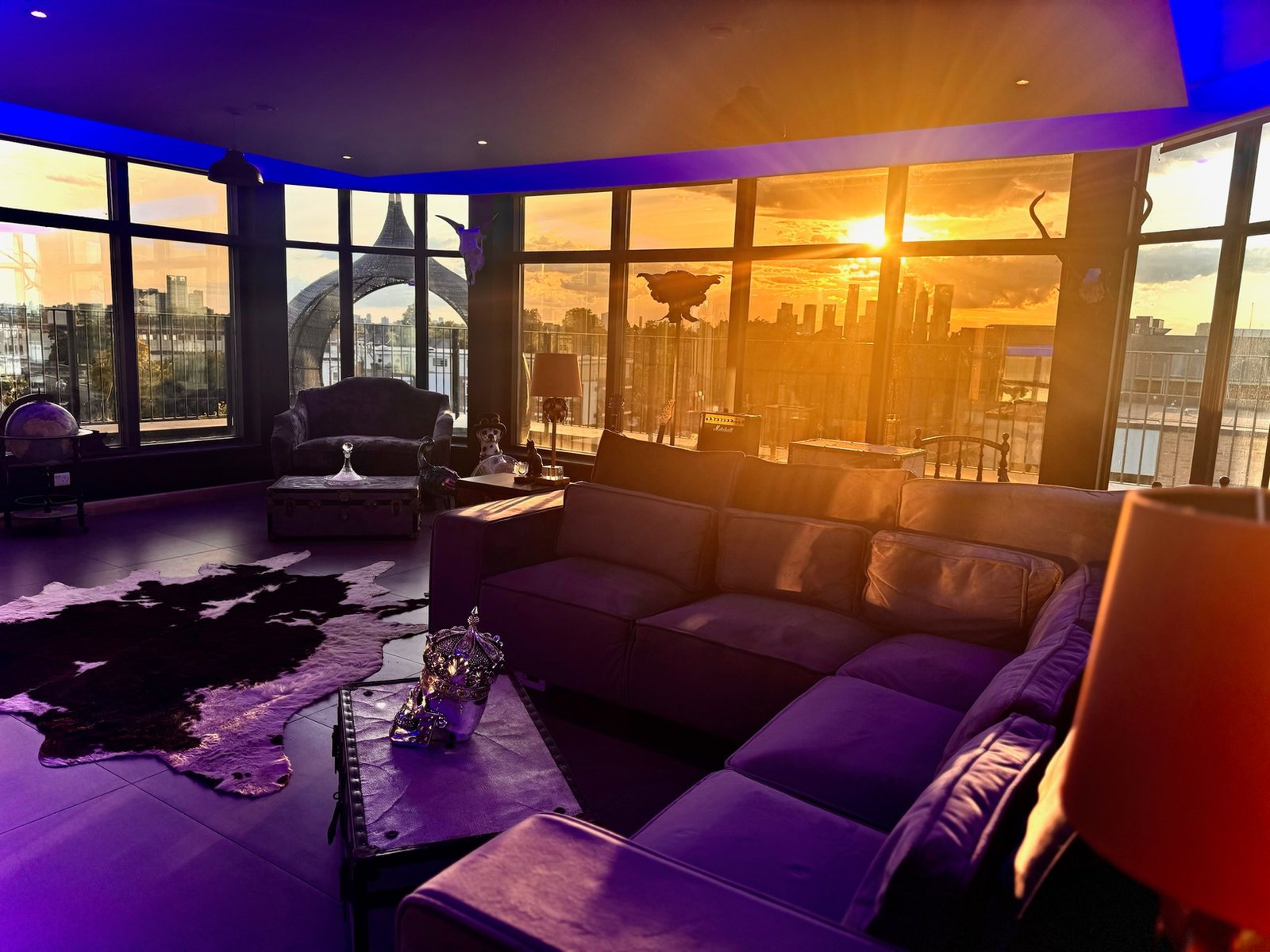
Aerial hoop content needs a setting that works on camera and supports a well-organised production plan. The Penthouse and the Arch blackout studio at Smashy Owl Studios are the spaces to consider. This gives creative teams a starting point for shaping the look of a shoot.
Studio facilities and rigging evidence are separate considerations. The presence of an aerial hoop does not, on its own, establish certification, a particular rigging specification or which activities are suitable. Keep the creative decision and any technical assessment distinct. This helps producers plan the look, schedule and logistics without making assumptions about performer supervision or specialist aerial support.
How can a blackout setting shape aerial hoop visuals?
A blackout environment gives the creative team control over how light and shadow define the frame. The space can be treated as a clean visual canvas, with choices about colour, highlights and framing leading the image rather than changing daylight.
Plan a range of shots around the space. A wide composition can establish the hoop against the darker setting; a closer frame can focus on movement, expression or detail. Consider camera angle and the relationship between performer and background when mapping out coverage. These are creative possibilities, not promises of a particular result or rigging configuration. Plan the intended activity separately from the visual design.
What should producers take into the booking conversation?
Bring a concise brief that sets out the concept, intended filming, schedule, access and load-in needs. Note the performers involved, planned movement, rehearsal requirements, camera coverage and lighting approach. This makes it easier to organise the day around the shots that matter most.
Keep the conversation in two clear parts. Discuss aesthetics and location logistics, such as the blackout look, lighting and arrival plan. Separately, identify the rigging information and technical assessment relevant to the intended aerial activity. Studio hire is not a substitute for rigging certification, aerial instruction or supervision.
For a broader view of production-space considerations, the London photo studio hire guide can help you refine the location brief. The same distinction matters in certified aerial hoop studio hire vs rigging in unverified venues: a compelling backdrop supports the creative vision, while evidence and clearly understood responsibilities inform technical planning.
Ready to shape the setting around your concept? Explore studio hire at Smashy Owl Studios and start planning your aerial hoop production.
Shape your next aerial hoop production with confidence
Let the creative brief guide your next decision. Before settling on a location, bring the people shaping the image and the aerial activity around the same plan. A shared understanding can help the team spot unanswered questions early, keep the schedule realistic and protect the creative focus of the shoot.
The comparison in certified aerial hoop studio hire vs rigging in unverified venues is not simply a choice between two backdrops. It is an opportunity to align the setting, intended use and production priorities before the shoot day. Keep the visual ambition high while giving technical decisions the attention and evidence they need.
For a distinctive South London setting for your concept, explore Smashy Owl Studios and plan your aerial hoop shoot. Bring your idea into focus, organise the details and create a production that feels unmistakably yours.
Frequently Asked Questions
What does certified aerial hoop rigging mean for a hired studio?
It depends on what “certified” refers to, so look at the document rather than relying on the label alone. A record might relate to a piece of equipment, an inspection or an assessment of a particular set-up. For a shoot, note the document’s issuer, date, scope and the equipment or location it covers. Those details help distinguish evidence relevant to your planned use from a general assurance.
Is an aerial hoop safe to use in a venue without rigging documentation?
You cannot establish suitability from the absence of paperwork or from the hoop’s appearance. Missing documentation does not prove a venue is unsafe, but it leaves important information unresolved. Before aerial activity, pause and have the proposed equipment, attachment and use assessed by a suitably competent specialist. A performer’s familiarity with a hoop or a venue’s previous use of it should not replace an assessment relevant to the planned activity.
What should an aerial hoop production brief include?
Include the concept, sequence of movement, performers involved, rehearsal plan and camera coverage. Add practical details such as arrival and load-in, lighting needs, schedule and any changes planned between takes. For example, if a shot moves from a close frame to a wide view, describe how the performer’s movement and camera position will change. This gives the team a shared reference for discussing both the creative plan and technical questions.
How can a producer compare an aerial hoop studio with an unverified venue?
Use a comparison sheet with separate fields for evidence reviewed, responsibilities, creative fit and logistics. Mark each item as documented, unclear or not relevant, and record the source and date rather than turning assumptions into facts. Then compare how well each location matches the shoot’s actual needs. This makes certified aerial hoop studio hire vs rigging in unverified venues a practical comparison without treating unclear evidence as proof of danger.
Does LOLER apply to aerial hoop rigging in a photography studio?
It may apply, depending on the equipment and how it is used; the fact that the activity takes place in a photography studio does not settle the question. LOLER concerns lifting equipment, including equipment used to lift people, but its application to a particular aerial arrangement needs careful consideration. Consult current Health and Safety Executive guidance and a competent specialist familiar with the set-up before relying on a legal interpretation.
Can you film aerial hoop content in a blackout studio?
Yes, a blackout studio can provide a controlled visual setting for aerial hoop photography or filming. Studio hire is separate from rigging certification, aerial instruction and performer supervision, so plan the technical and performance arrangements as distinct parts of the production.
What is the difference between an aerial hoop and a lyra?
In common aerial arts usage, “lyra” and “aerial hoop” usually refer to the same circular apparatus suspended for aerial performance. Terminology can vary between performers, studios and disciplines, so use the term your performer uses when describing the planned work. If a particular style or apparatus detail matters to the choreography or image, spell it out in the brief rather than assuming the name alone communicates the exact creative requirement.
Ready to book? Visit smashyowlstudios.com or email bookings@smashyowlstudios.com.
Comments